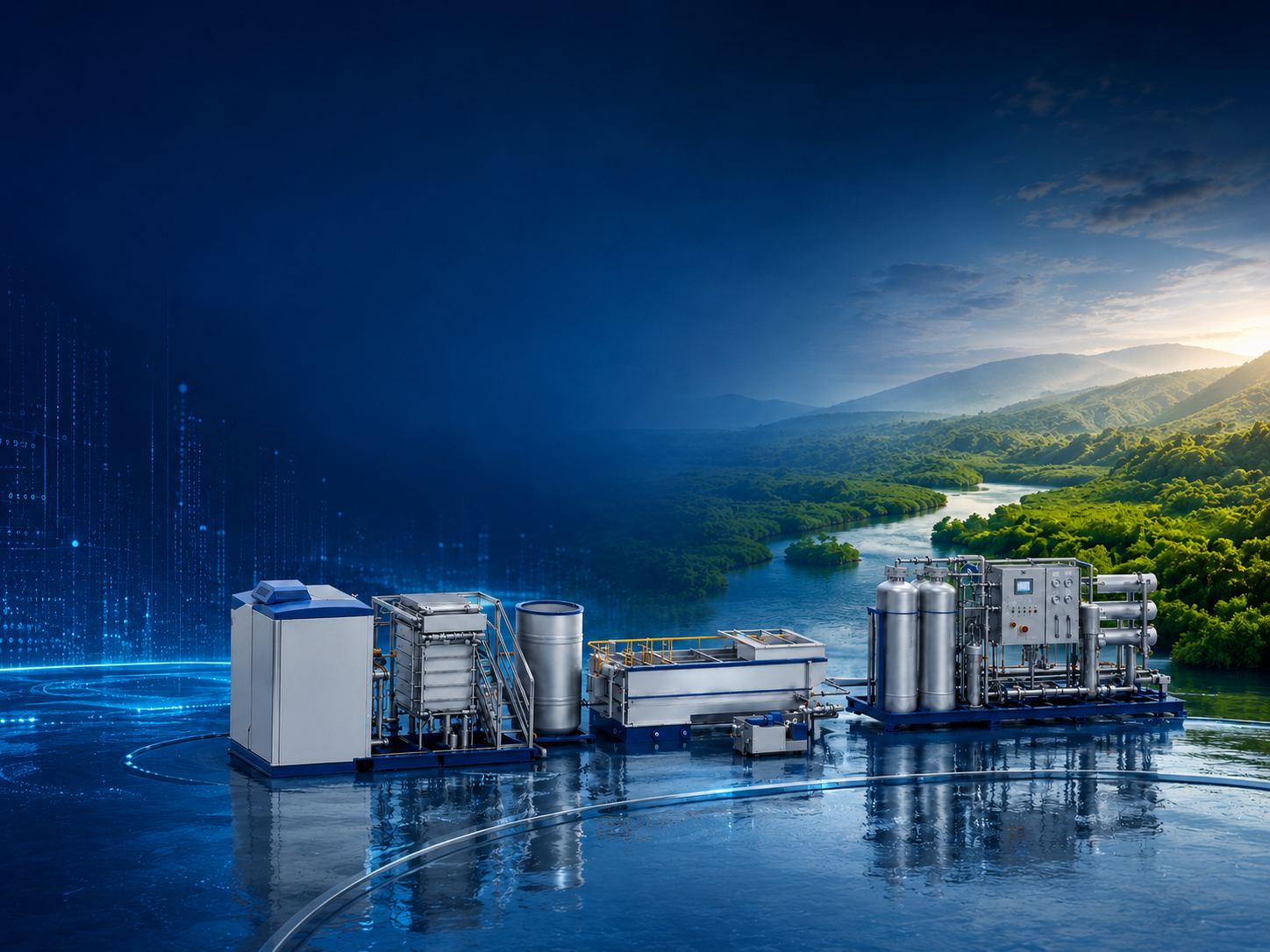
Field-proven EC-AOP + DAF + RO treatment train, piloted in the Niger Delta under NUPRC oversight
Oilfield Water Treatment
Cleaner water for responsible energy production
Engineered treatment solutions that improve water quality and support safer operations.
Treatment Overview
Produced Water Treatment
Reusing, reinjecting or discharging produced water at surface demands treatment that holds specification day after day, not just on commissioning day. Lai Pulo Energy Services Ltd delivers engineered produced water treatment facilities that convert variable oilfield water into a consistent, compliant product stream — designed for the fluids, the regulations and the operating realities of the Niger Delta.
Our treatment train integrates three complementary stages. Electrocoagulation with advanced oxidation (EC-AOP) alters the water chemistry at source, breaking emulsions and destabilising dispersed oil, fine solids and organics without imported chemical coagulants. Dissolved air flotation (DAF) then physically separates the resulting flocs, with integrated sludge dewatering. Reverse osmosis (RO) provides the final polishing step, removing dissolved salts to meet reuse or discharge targets. Chemical conditioning points are positioned between stages to protect the membranes and hold feed quality within limits.
Facilities are modular by design. Each deployment is sized to the client's existing produced water volumes, and additional trains are brought online as water production grows — so capital follows demand rather than running ahead of it. Every system is engineered against the client's actual feed water characterisation and a defined target specification, whether that is EGASPIN discharge limits, reinjection quality or reuse water.
Automated monitoring and control run the train against its water quality targets. Inline analysers track performance downstream of each stage, telemetry supports remote oversight from our Calgary engineering hub and Port Harcourt operations base, and an integrated data platform gives operators and clients a continuous record of compliance and performance.
Lai Pulo engineers, procures, builds and operates these facilities as system integrator — carrying process responsibility from front-end engineering through commissioning and long-term operation, so clients deal with a single accountable party.
System Capabilities
Lai Pulo Treatment System Capabilities
NUPRC Permit to Operate and demonstrated EGASPIN compliance
Front-end engineering design (FEED) through EPC and operations
Electrocoagulation and advanced oxidation with in-situ coagulant generation
Dissolved air flotation with integrated sludge dewatering
Reverse osmosis polishing for dissolved solids removal
Modular, parallel-train architecture — sized to current need and expanded incrementally as water production grows
Materials and equipment selection for hazardous-area (Zone 2) service and produced water corrosivity
Feed water characterisation, sampling campaigns and basis-of-design development
Water and mass balance modelling, FMEA and process safety studies
Inter-stage chemical conditioning and membrane protection
Inline water quality sensing — oil in water, turbidity, TSS, COD, conductivity/TDS, pH and ORP
Real-time monitoring, telemetry and remote system control
Integrated operations platform with compliance reporting and performance tracking
Experienced operators and technicians
Regulatory engagement and permitting support (NUPRC, EGASPIN)
Treatment is configured around the required water-quality outcome
The treatment objective determines the technologies, process stages and level of polishing required for each produced-water stream.
Reduce Oil and Hydrocarbons
Treatment targets free, dispersed and emulsified oil that may remain within the produced-water stream.
Remove Suspended Material
Solids, precipitated contaminants and other suspended material are separated to improve final water clarity.
Treat Difficult Organics
Advanced oxidation supports the breakdown of organic compounds that physical separation alone may not remove.
Improve Overall Water Quality
The integrated treatment train is designed to improve the measurable physical and chemical condition of the water.
Final Water Pathway
The required outcome defines the final treatment stage
Responsible Discharge
Treatment may prepare the water for discharge where the required project and water-quality conditions are achieved.
Additional Final Polishing
Additional treatment may be incorporated where the intended application requires a higher or more specific water quality.
An integrated treatment train designed around the water stream
Produced water treatment is delivered through a coordinated sequence of treatment stages rather than a single process unit. Each stage prepares the water for the next and contributes to the required final quality.
Produced Water Feed
Incoming water is characterised to establish the contaminant profile, variability and required treatment outcome.
Pre-Treatment
Free oil, coarse solids and other materials are reduced to prepare a more stable feed for downstream treatment.
EC-AOP Treatment
Electro-catalytic oxidation targets difficult contaminants and supports their transformation and removal.
Solids Separation
Suspended and coagulated material is separated from the treated water before final polishing.
Filtration & Polishing
Additional filtration or polishing stages are incorporated where required by the final water-quality objective.
Quality Verification
Monitoring and analytical testing confirm treatment performance before discharge or further treatment.
Final Water Pathway
One treatment architecture. Two possible outcomes.
Responsible Discharge
Treated water proceeds toward discharge where the required water-quality and project conditions have been achieved.
Additional Final Treatment
Additional polishing may be applied where the required final-water application requires a more specific final water quality.
Project-Specific Configuration
The final arrangement may vary according to the incoming water, treatment capacity, available infrastructure and required final water standard.
Pre-Treatment & Feed Preparation
01
02
03
04
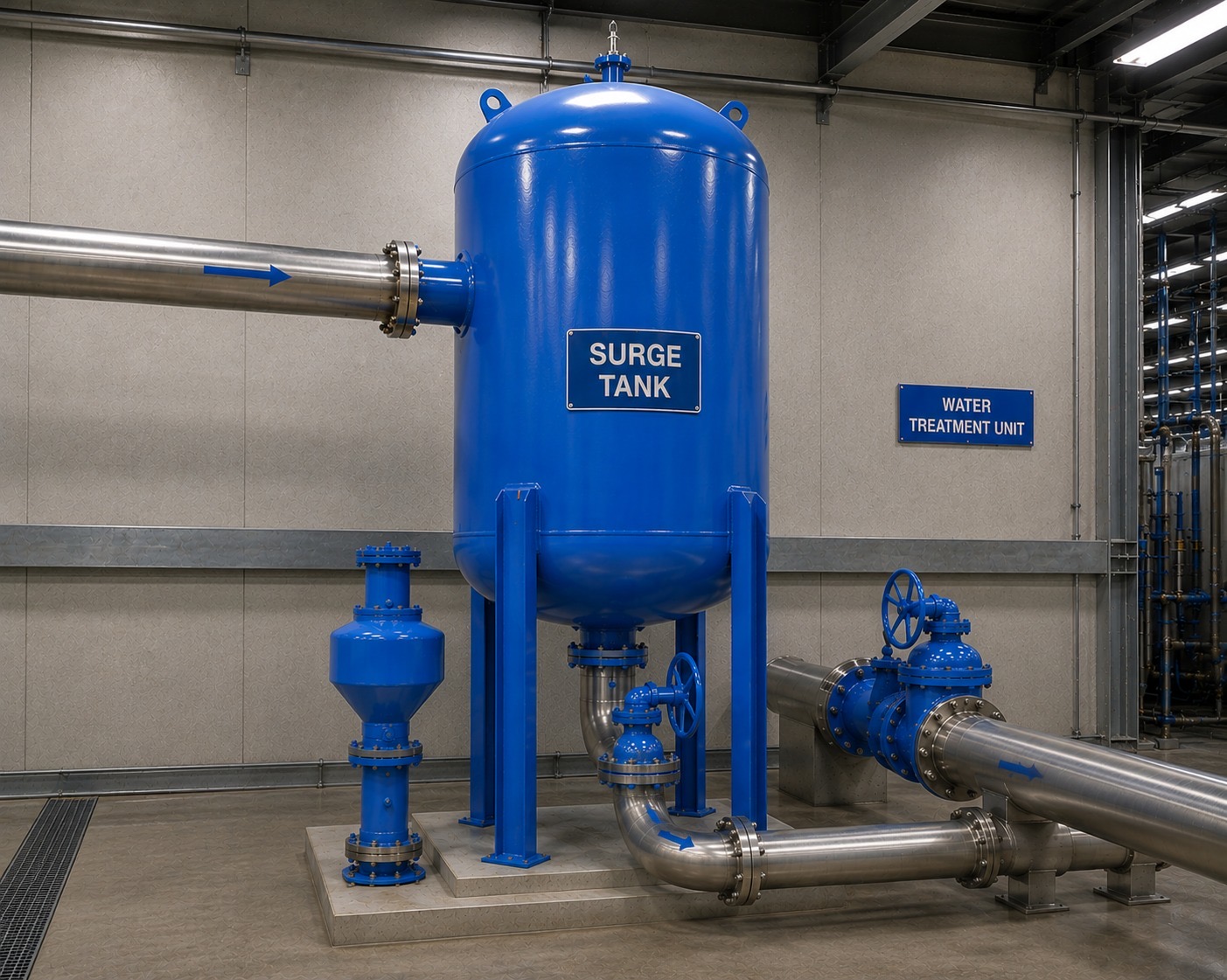
Stable treatment begins with effective feed preparation
Before produced water enters the core treatment stage, the feed is prepared to reduce materials that may interfere with process stability or downstream performance.
The pre-treatment arrangement is selected according to the incoming water quality, oil loading, solids content, flow variation and existing site infrastructure.
Feed Reception and Equalisation
Incoming water is received and managed to reduce sudden changes in flow or contaminant loading.
Free-Oil Reduction
Readily separable oil is reduced before the water proceeds to advanced treatment.
Coarse-Solids Removal
Larger suspended materials are removed to support more reliable downstream operation.
Feed Conditioning
The water stream is prepared for consistent entry into the EC-AOP treatment stage.
Project-Specific Arrangement
Not every produced-water stream requires the same pre-treatment equipment. The final arrangement depends on the condition of the incoming water and the downstream treatment objective.
EC-AOP Core Treatment
01
02
03
04
Explore Treatment Process
EC-AOP targets contaminants that conventional separation alone may not remove
After feed preparation, produced water enters the Electro Catalytic Advanced Oxidation Process, where electro-catalytic reactions create the conditions required to transform difficult contaminants within the water stream.
The process supports the breakdown of complex organic compounds while also promoting contaminant destabilisation, coagulation and downstream separation.
Electro-Catalytic Activation
Electrical energy and catalytic surfaces create reactive treatment conditions within the reactor.
Advanced Oxidation
Reactive species support the transformation of difficult dissolved and dispersed organic contaminants.
Contaminant Destabilisation
Treatment promotes the formation of material that can be more effectively separated downstream.
Continuous Treatment Flow
The reactor can be incorporated into a coordinated, continuous treatment train for field operation.
Oxidised contaminants are separated before final water polishing
Following EC-AOP treatment, transformed and destabilised contaminants must be removed from the water stream. Additional polishing stages are then applied where required by the final water-quality objective.
 01
01
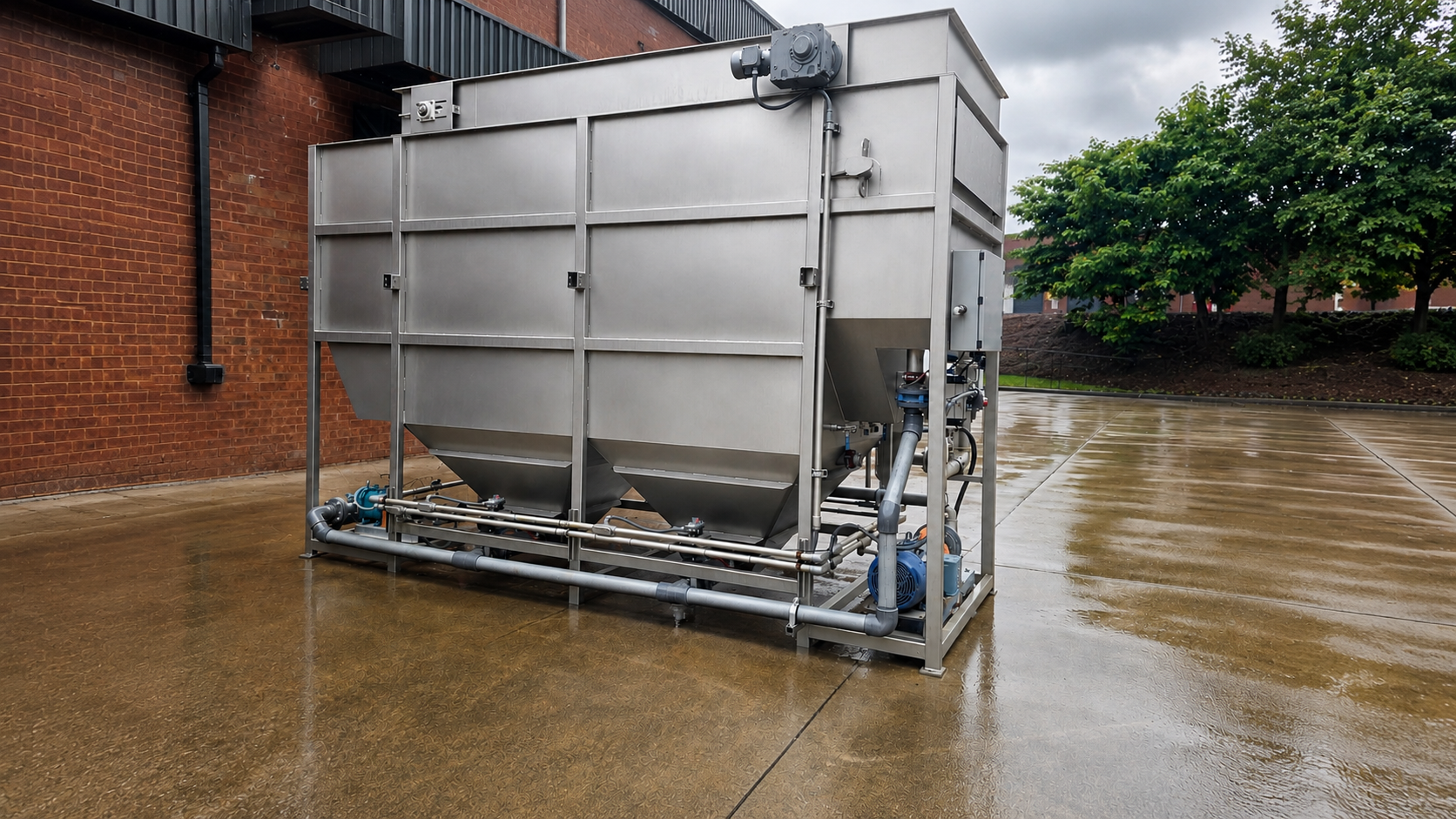
Solids Separation
Removing floc generated during treatment
EC-AOP treatment supports the destabilisation and coagulation of contaminants. These materials are then removed through an appropriate solids-separation process.
01
Remove suspended and coagulated contaminants.
02
Reduce solids loading before downstream polishing.
03
Improve water clarity and treatment stability.
 02
02
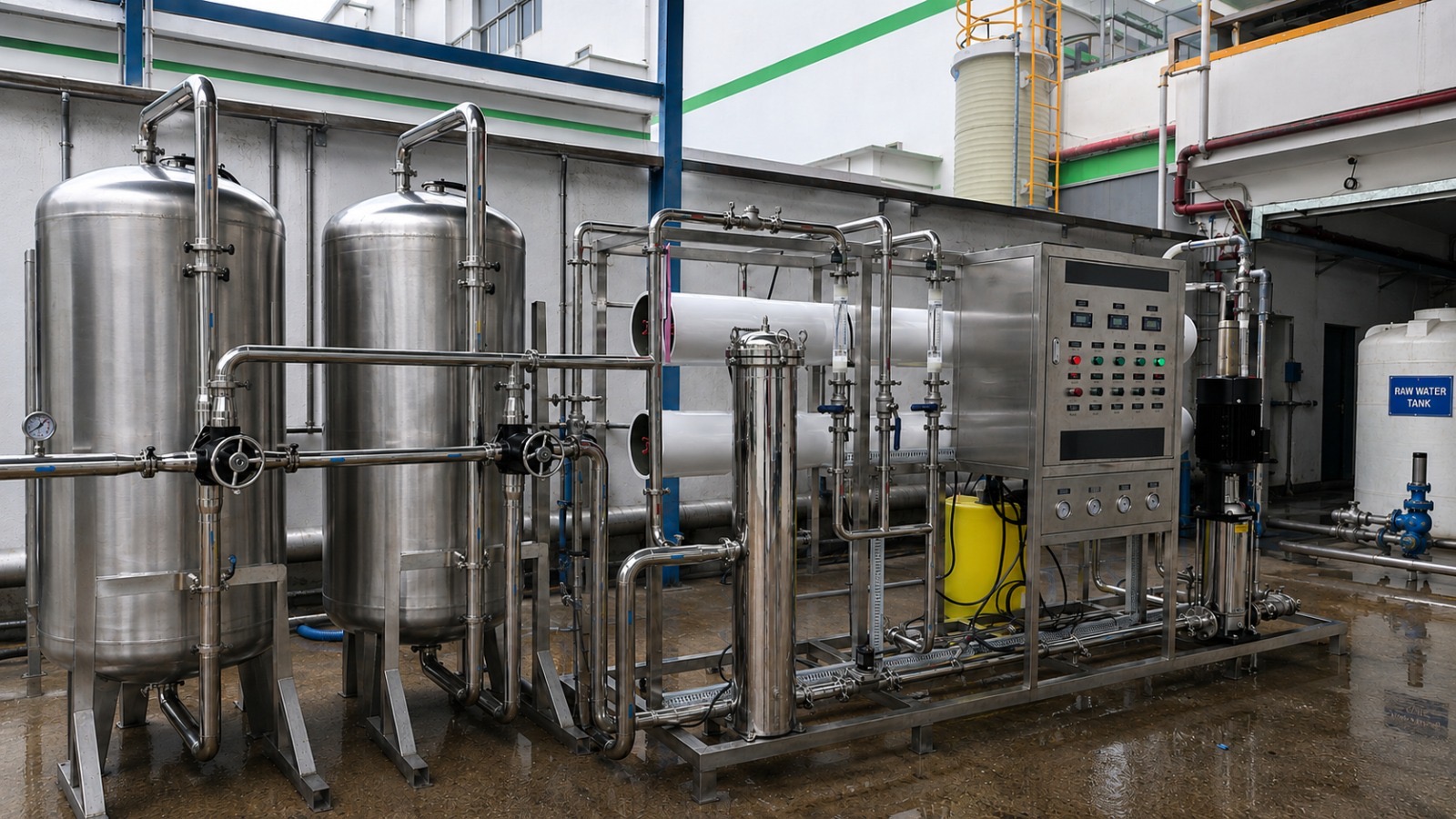
Water Polishing
Refine the water to the required final quality
Filtration and additional polishing processes may be incorporated according to the remaining contaminants, final quality target and intended water use.
01
Reduce remaining suspended material.
02
Apply filtration suited to the required outcome.
03
Incorporate reverse osmosis where higher-quality water is required.
Configured by Requirement
Separation and polishing stages are selected around the
treated-water target.
The final process may include clarification, filtration, membrane treatment or other polishing stages. The selected arrangement depends on the water chemistry, remaining contaminant load and intended final pathway.
Modular System Configuration
01
02
03
04
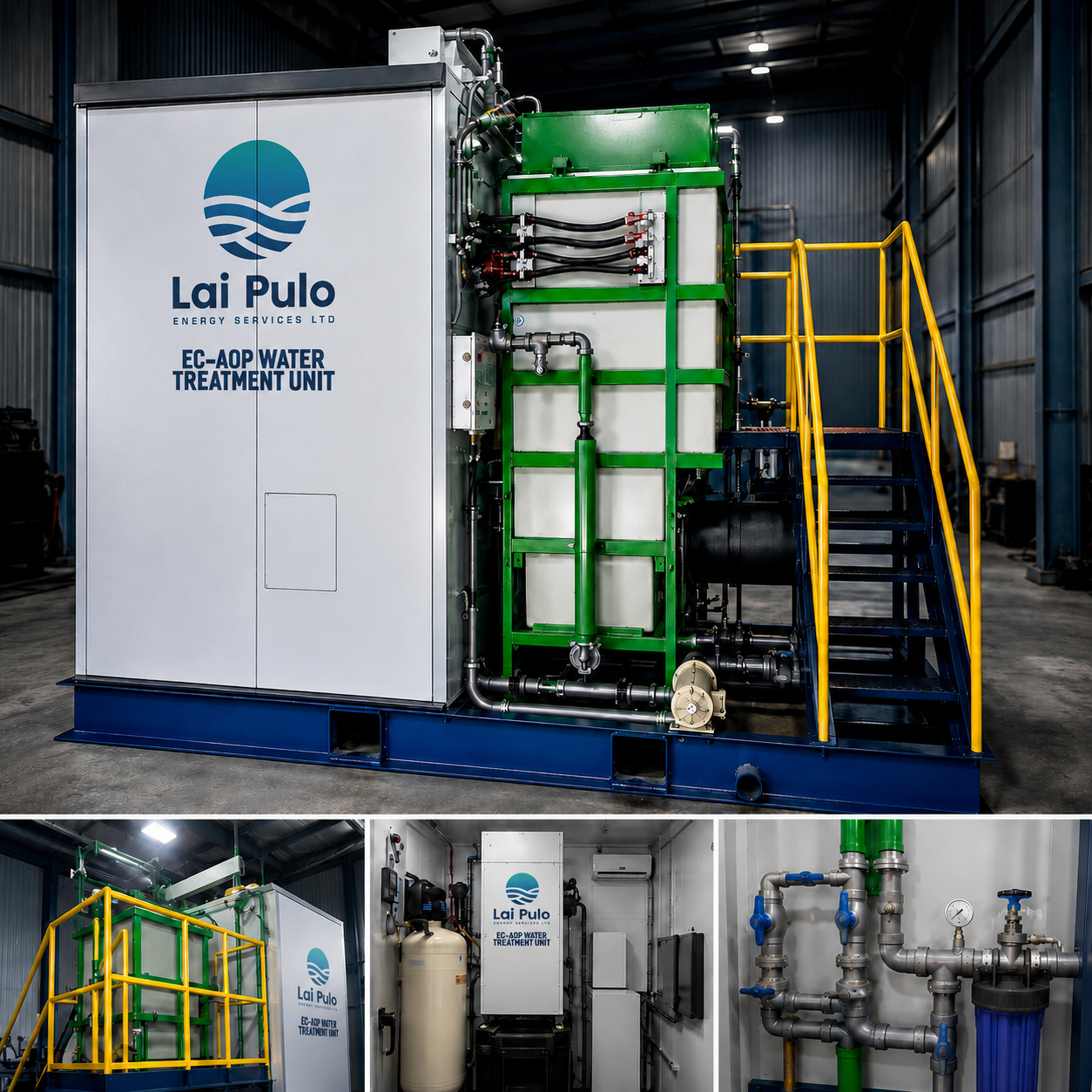
Modular treatment systems configured for field deployment and operating demand
Lai Pulo’s produced-water treatment systems are arranged around the required treatment capacity, site conditions, available infrastructure and final water-quality objective.
The treatment train can be delivered through modular units that support phased deployment, practical site integration and future capacity adjustments where project conditions change.
Project-Specific Capacity
System sizing is aligned with the expected feed rate, production profile and required treatment performance.
Modular Treatment Stages
Pre-treatment, EC-AOP, separation and polishing units can be arranged according to the needs of the water stream.
Site Integration
Equipment layout considers available footprint, utilities, existing pipework and operating access.
Monitoring Access
Sampling points and operational monitoring positions are incorporated into the treatment configuration.
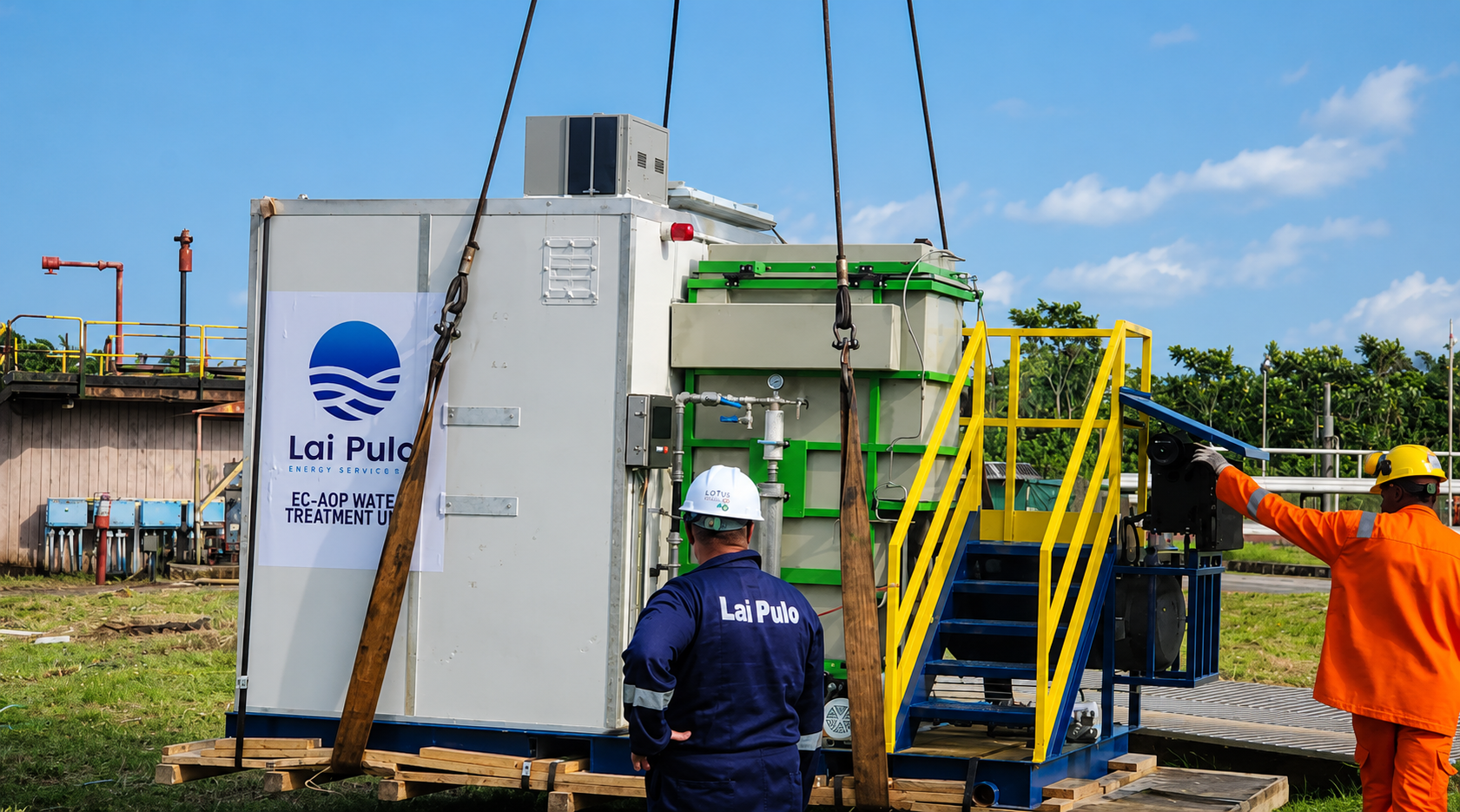
Scalable Delivery
Treatment capacity can be structured around current demand
while allowing for future operational requirements.
The final system arrangement is determined through engineering assessment and may be adapted to suit pilot, phased or wider field deployment.
Treatment performance is measured, monitored and verified
Produced-water treatment decisions are supported by field observations, structured sampling and analytical testing. Monitoring confirms how the system performs under actual operating conditions and whether the required water-quality objective is being achieved.
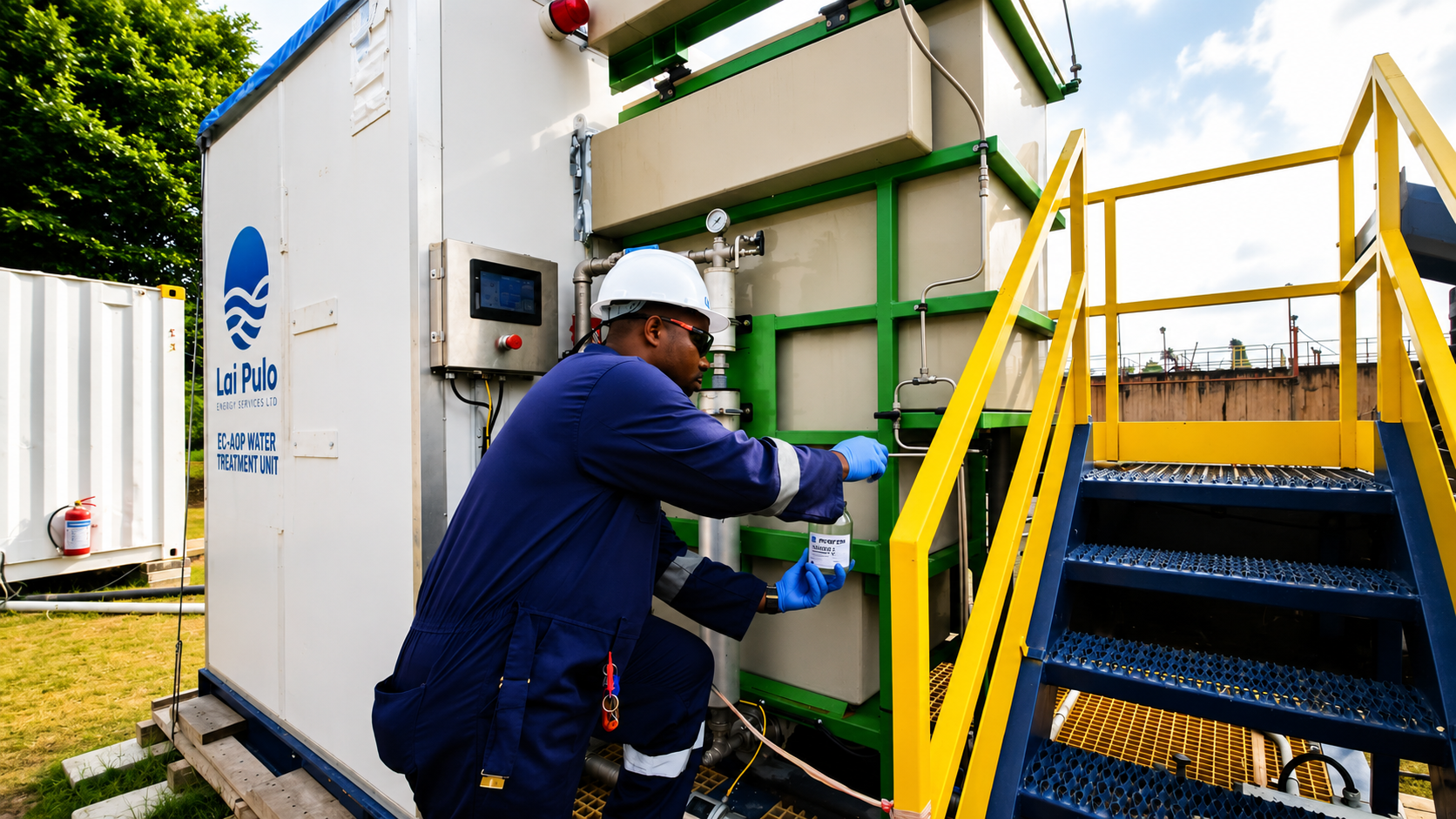
Sample
Representative samples are collected from the feed, key process stages and final treated water.
Analyse
Field measurements and laboratory analysis are used to assess the relevant water-quality parameters.
Verify
Results are compared with the project objective to confirm treatment performance and guide operating decisions.
Verification Basis
Feed Conditions
Process Performance
Final Water Quality
Operating Stability
Establish the quality and variability of the incoming water stream.
Assess how each treatment stage contributes to contaminant reduction.
Confirm whether the treated water meets the intended project pathway.
Track consistency under actual flow and loading conditions.
Evidence-Based Operation
Monitoring is not limited to the final water sample. Performance is evaluated across the treatment train so that operating conditions, process response and final water quality can be understood together.
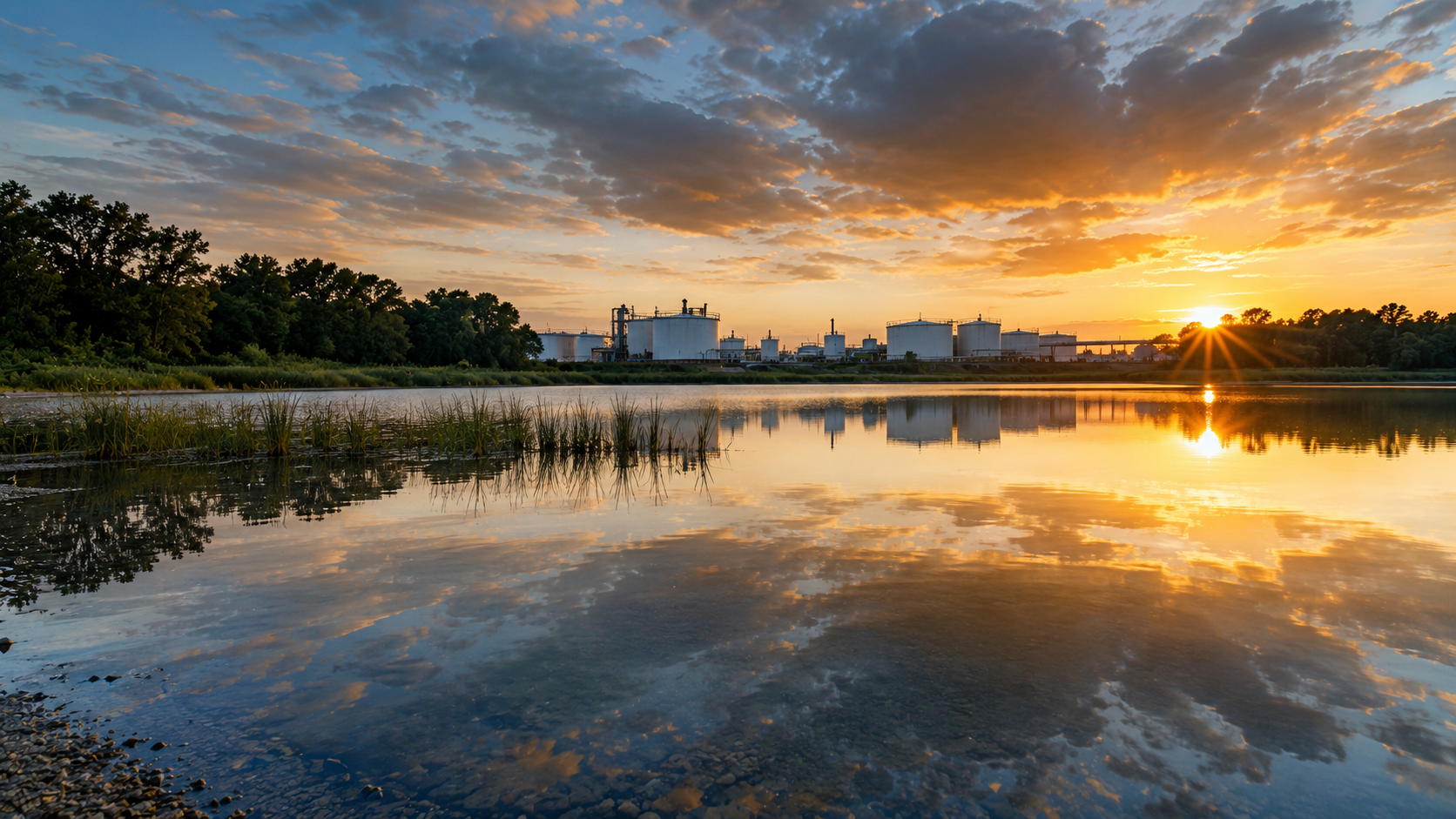
The final water pathway is determined by the required quality and intended use
Once treatment performance has been verified, the water proceeds according to the project objective. This may involve responsible discharge or further polishing to meet a defined final-water requirement.
Verified Treatment Outcome
Final water quality confirmed through monitoring and analysis.
 01
01
Pathway A
Discuss a Treatment Requirement
Responsible Discharge
Treated water may proceed toward discharge where the required water-quality conditions and project criteria have been achieved.
01
Final water quality has been verified.
02
The intended discharge pathway has been assessed.
03
Project and regulatory requirements are considered.
 02
02
Pathway B
Additional Final Polishing
Where a final-water requirement requires a higher or more specific water quality, additional polishing and verification may be incorporated.
01
The required final-water quality is defined.
02
Additional water-quality requirements are assessed.
03
Further polishing is configured where appropriate.
Water-Quality Qualification
The final pathway is not selected by preference alone. It is determined by the verified water quality, intended application, operating conditions and applicable project requirements.
Pilot Validation & Field Evidence
01
02
03
04
Validated under real operating conditions
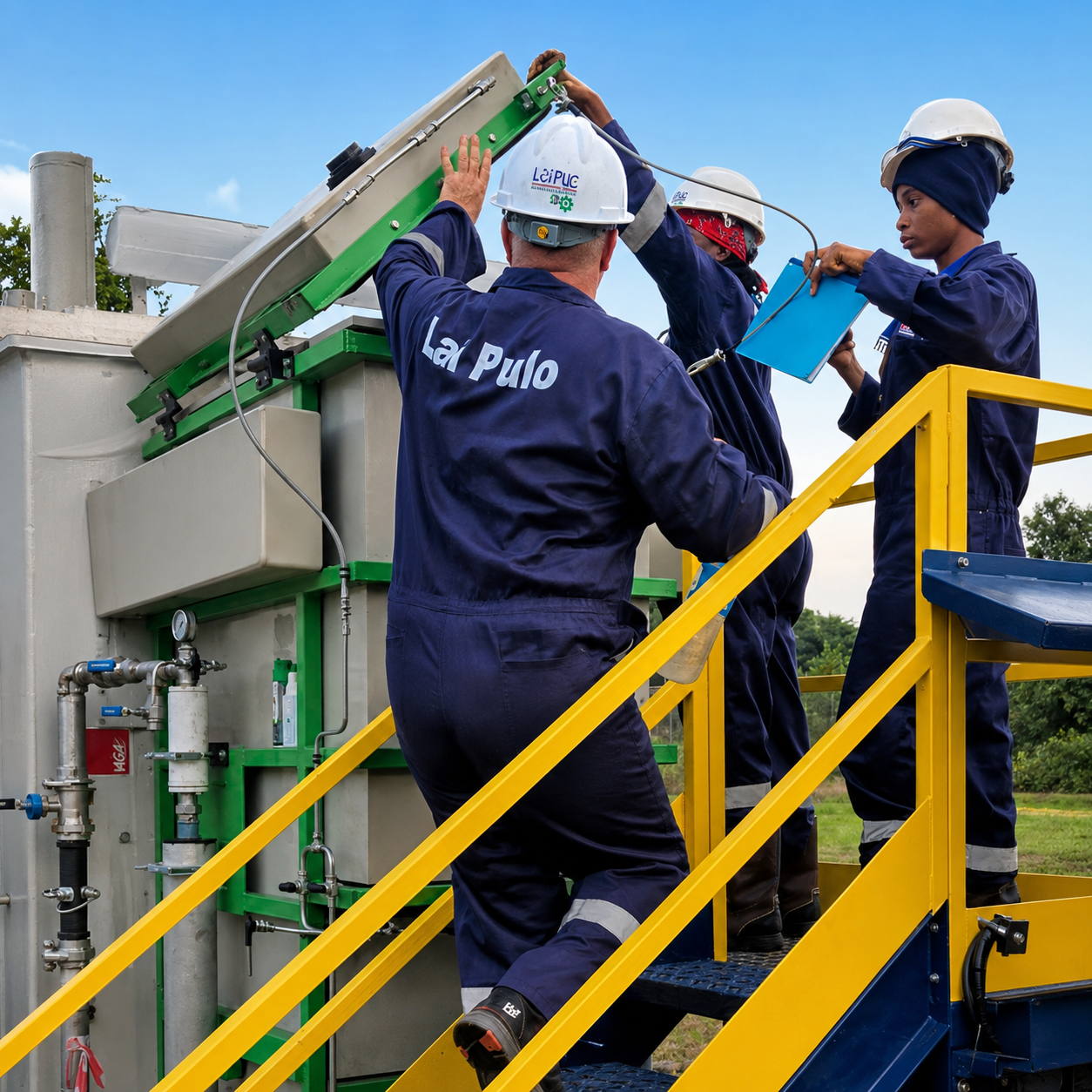
Pilot deployment helps confirm how the treatment pathway performs against the actual produced-water stream before broader implementation.
Field operation, monitoring, sampling and laboratory analysis provide measurable evidence of contaminant reduction, process stability and final water quality.
Field-Based Testing
The treatment system is operated with the actual produced-water stream rather than relying only on theoretical design assumptions.
Measured Performance
Treatment results are assessed through operating data, field observations and water-quality analysis.
Deployment Confidence
Pilot findings support process refinement, capacity planning and wider deployment decisions.
Documented Evaluation
Project records and analytical results provide an evidence base for technical and regulatory review.
Produced Water Project
Evaluate the treatment requirements of your produced-water stream
Every produced-water stream presents a different contaminant profile, flow condition and final water-quality objective. Lai Pulo assesses these factors before recommending the most appropriate treatment configuration.