Equipment Mobilisation
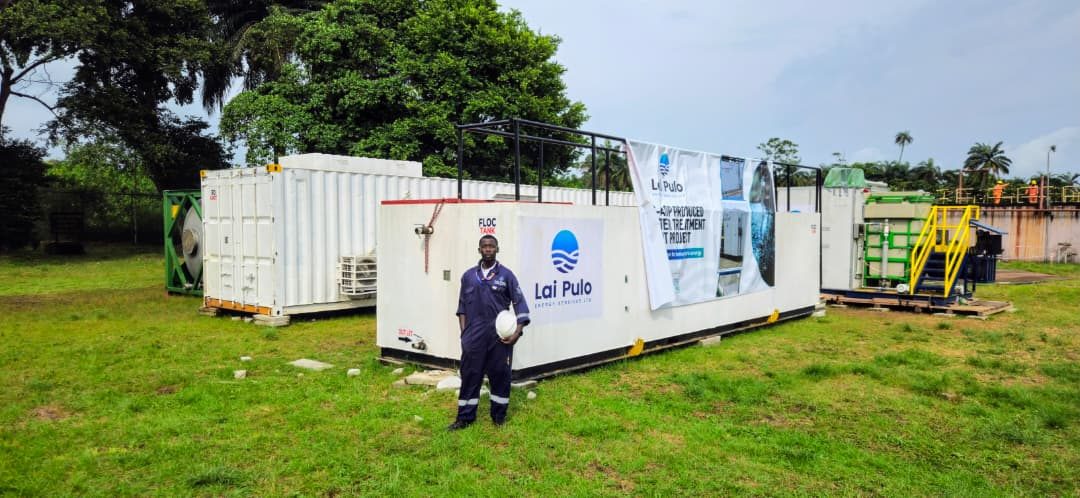
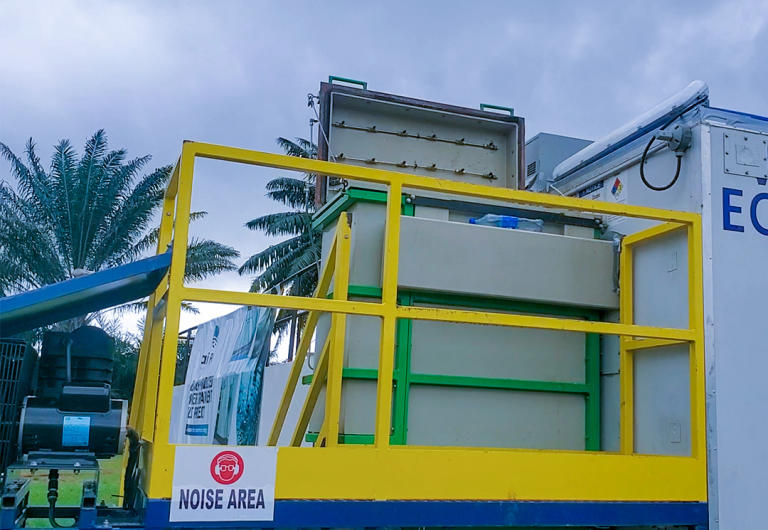
EC-AOP, separation and polishing equipment were positioned for the pilot treatment programme.
See how Lai Pulo advances treatment projects from testing to operational delivery.
Lai Pulo completed a supervised pilot project to validate a scalable, cost-effective and environmentally compliant produced water treatment solution under real operating conditions.
Validate produced water treatment performance under variable oil-field operating conditions.
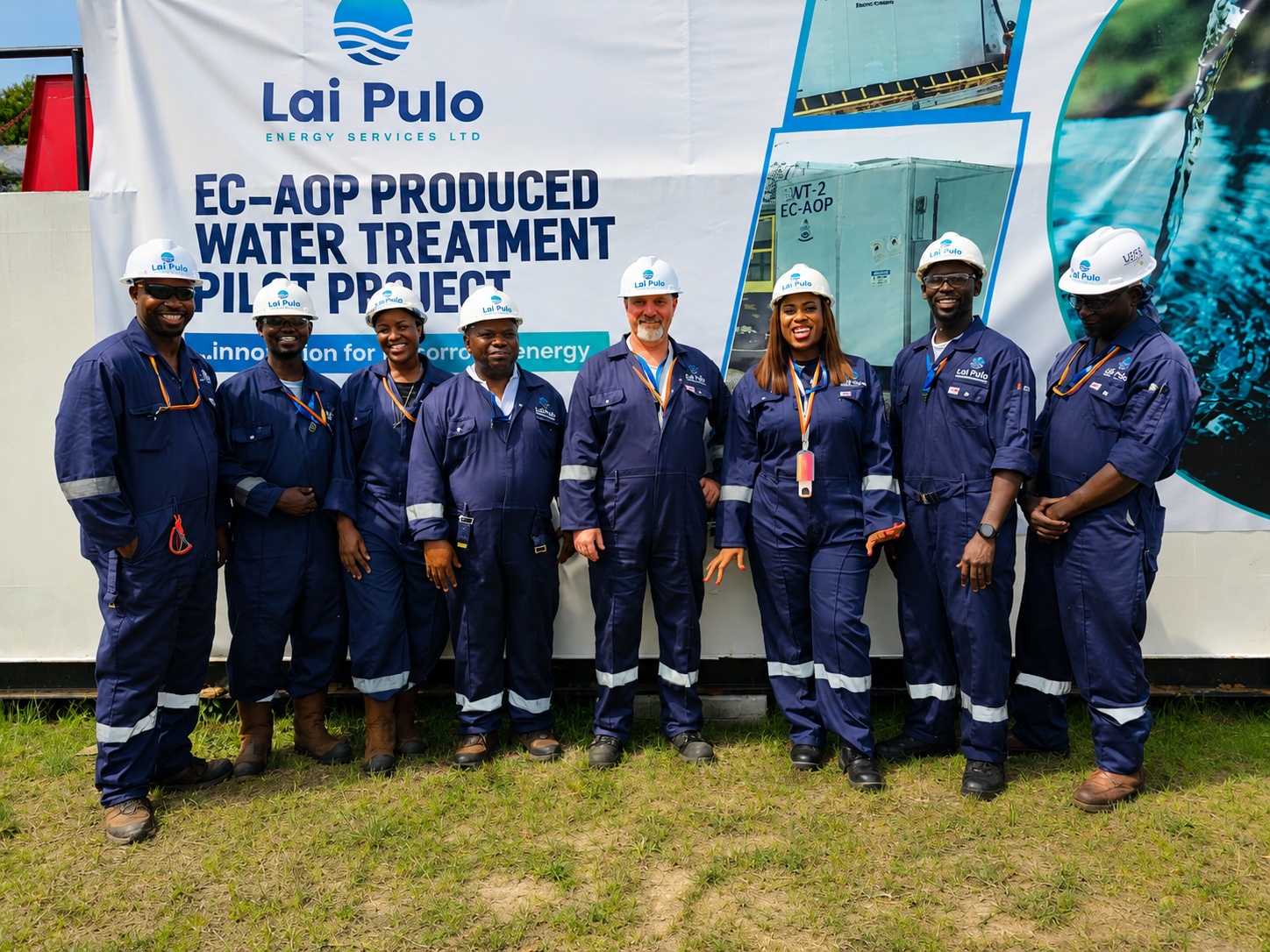
The project brought together the treatment equipment, field personnel and operating activities required to complete the supervised pilot programme.
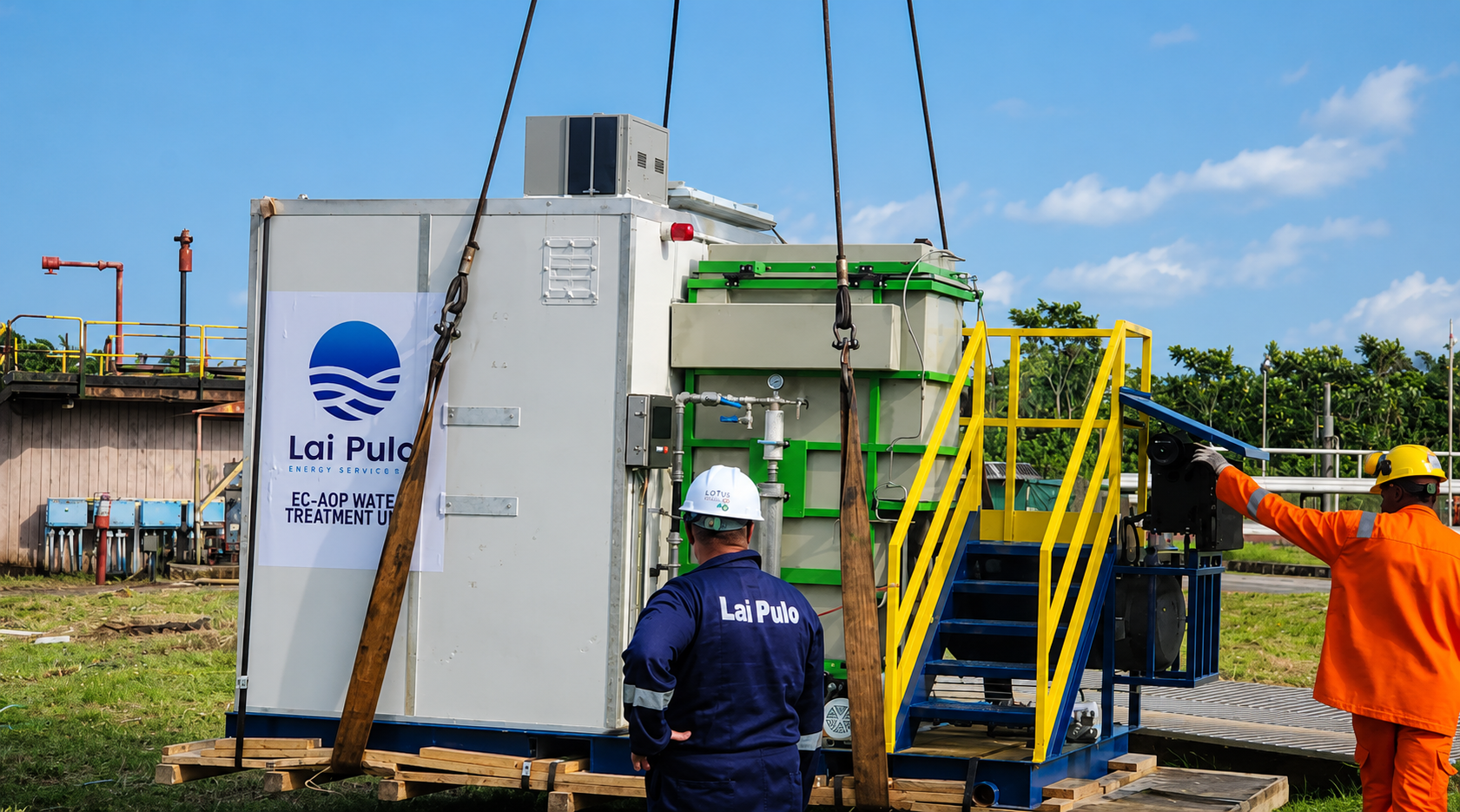
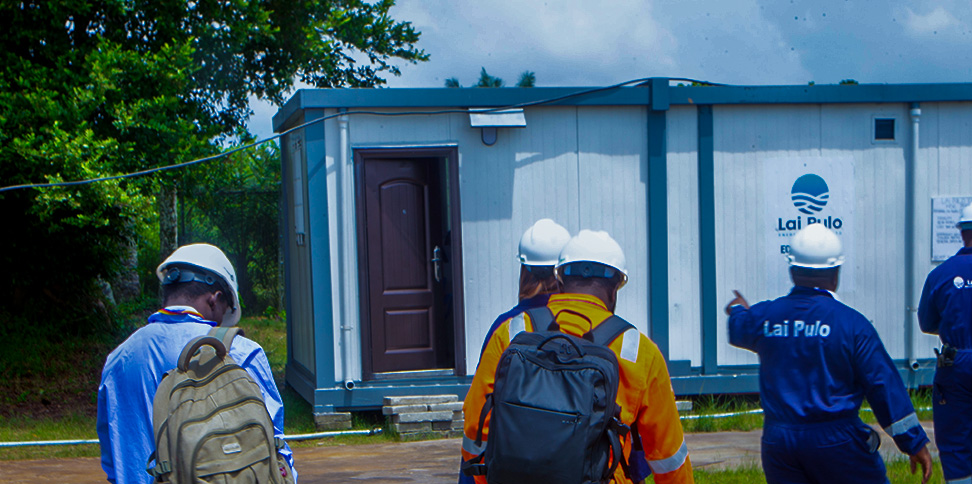
EC-AOP, separation and polishing equipment were positioned for the pilot treatment programme.
Connections, tanks and supporting equipment were prepared for produced water treatment.
The treatment train was operated and observed throughout the supervised field trial.
Produced water was processed through primary treatment, solids separation and final polishing during the supervised pilot programme.
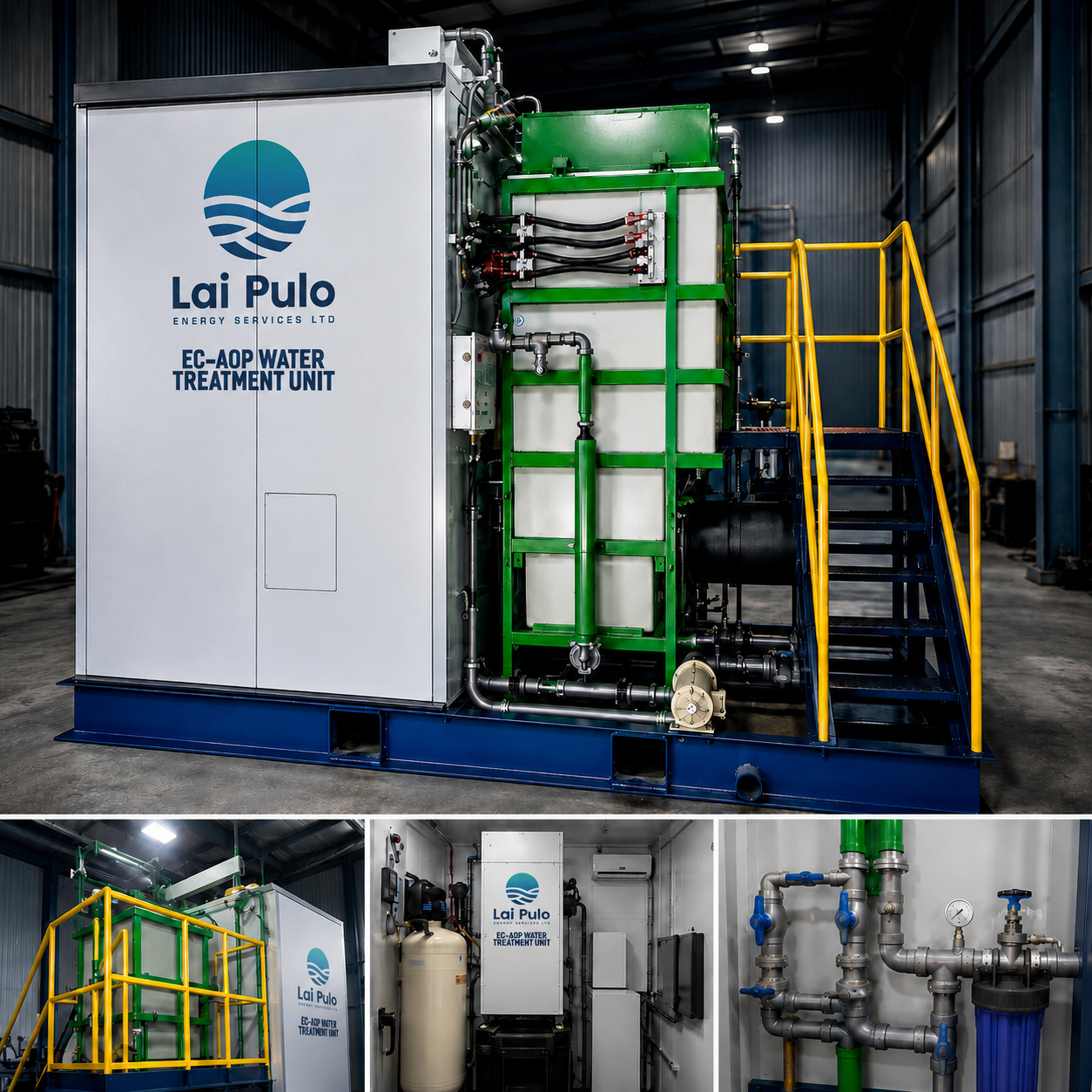
Electro-catalytic treatment broke down hydrocarbons and organics while capturing suspended solids and metals.
Primary contaminant removal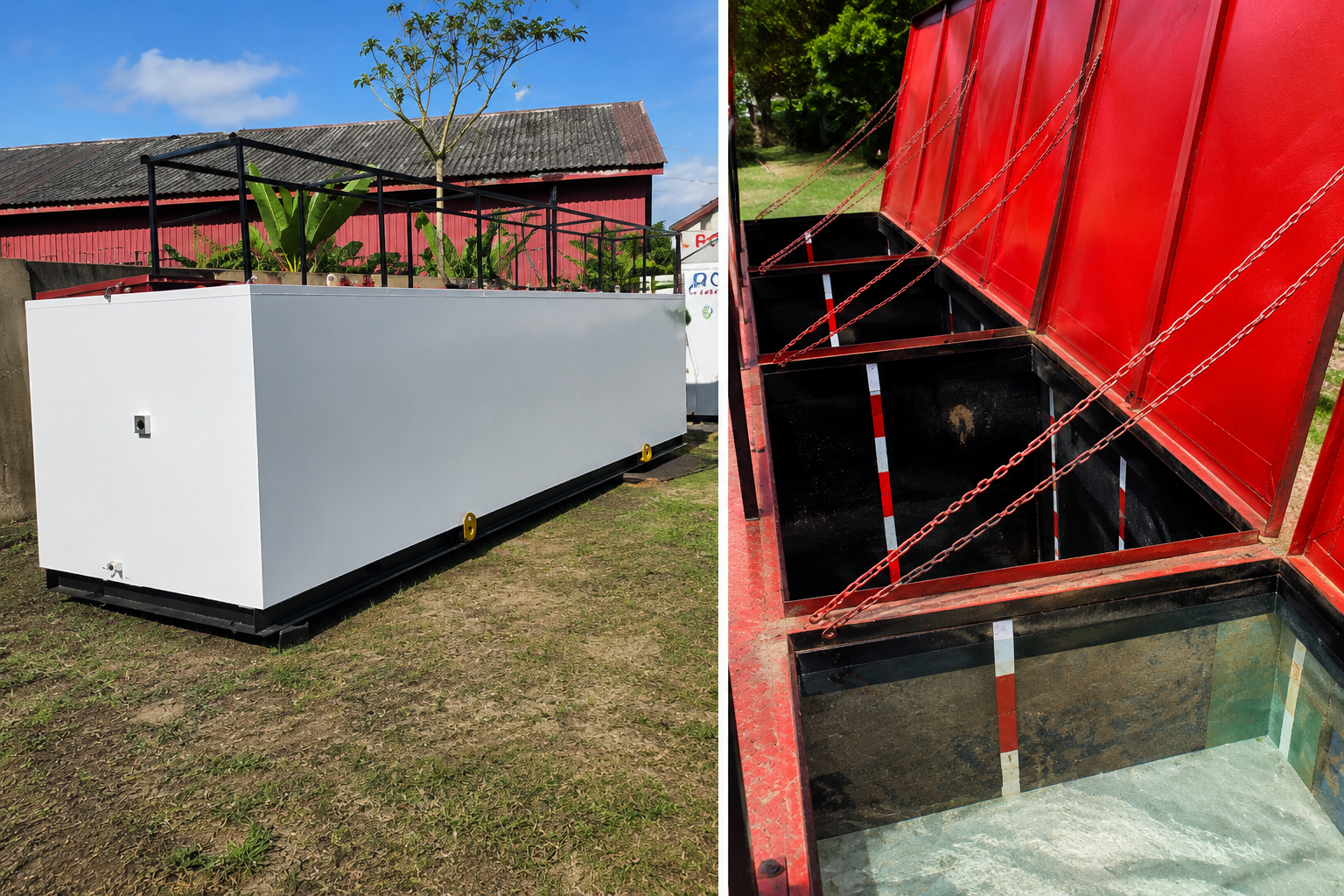
A 250-barrel, four-compartment Floc Tank aggregated and settled fine suspended solids following EC-AOP treatment.
Solids and contaminant separation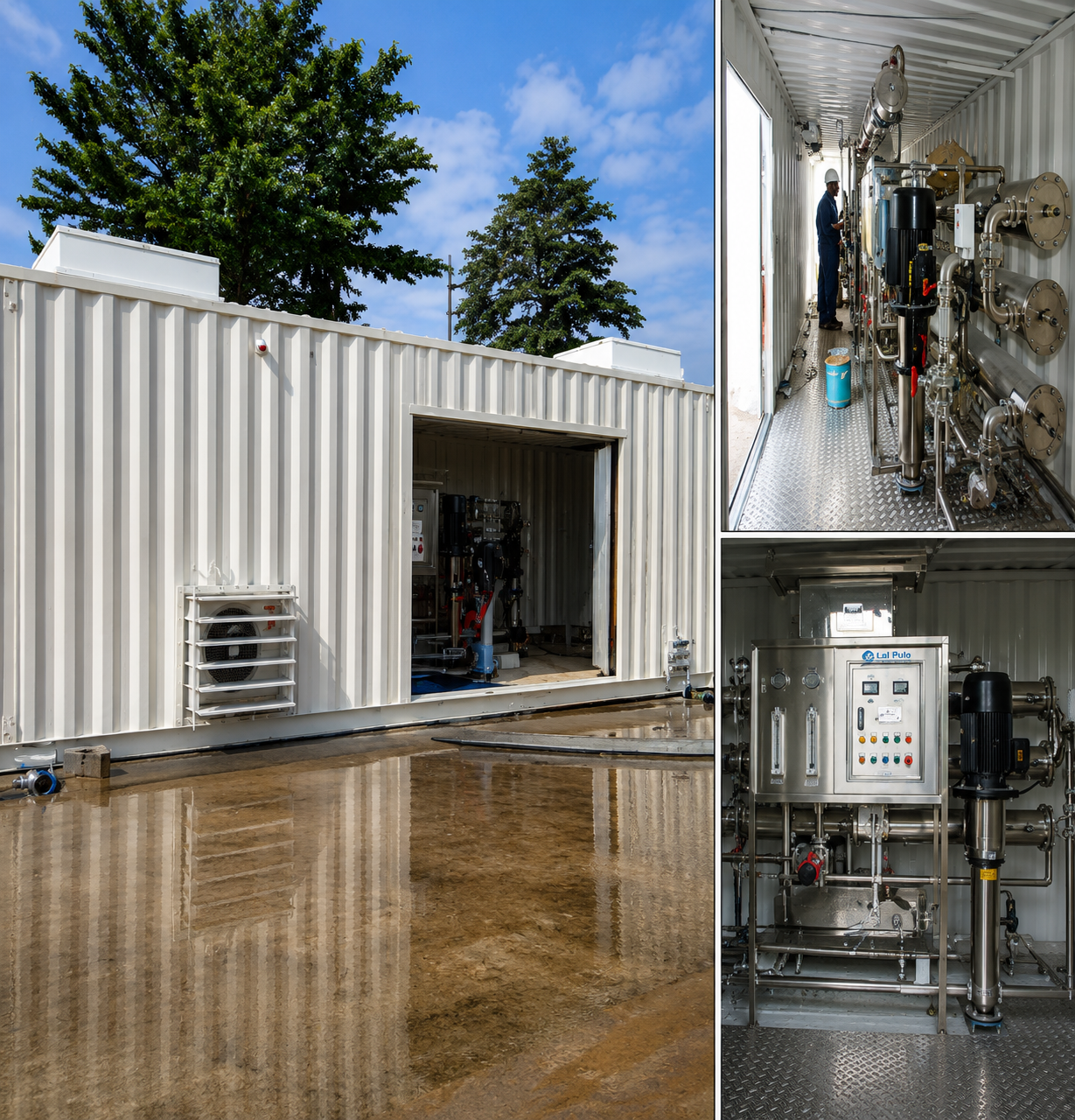
Membrane-based polishing reduced dissolved salts and remaining contaminants to achieve final-water quality.
Final polishing and TDS reductionNo reagent dosing, no chemical sludge and reduced chemical handling requirements during treatment.
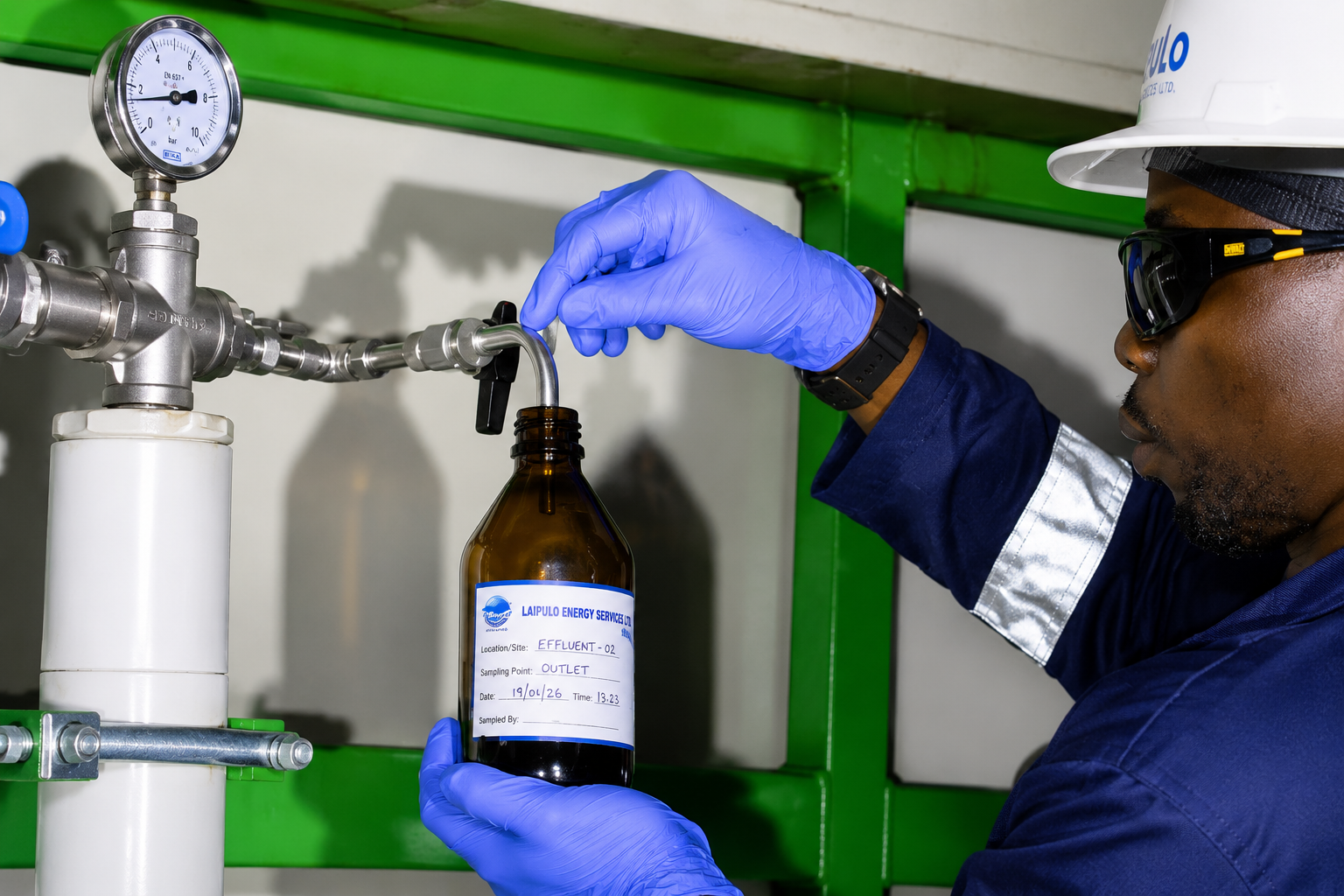
Field measurements and documented sampling support treatment control, technical review and laboratory verification.
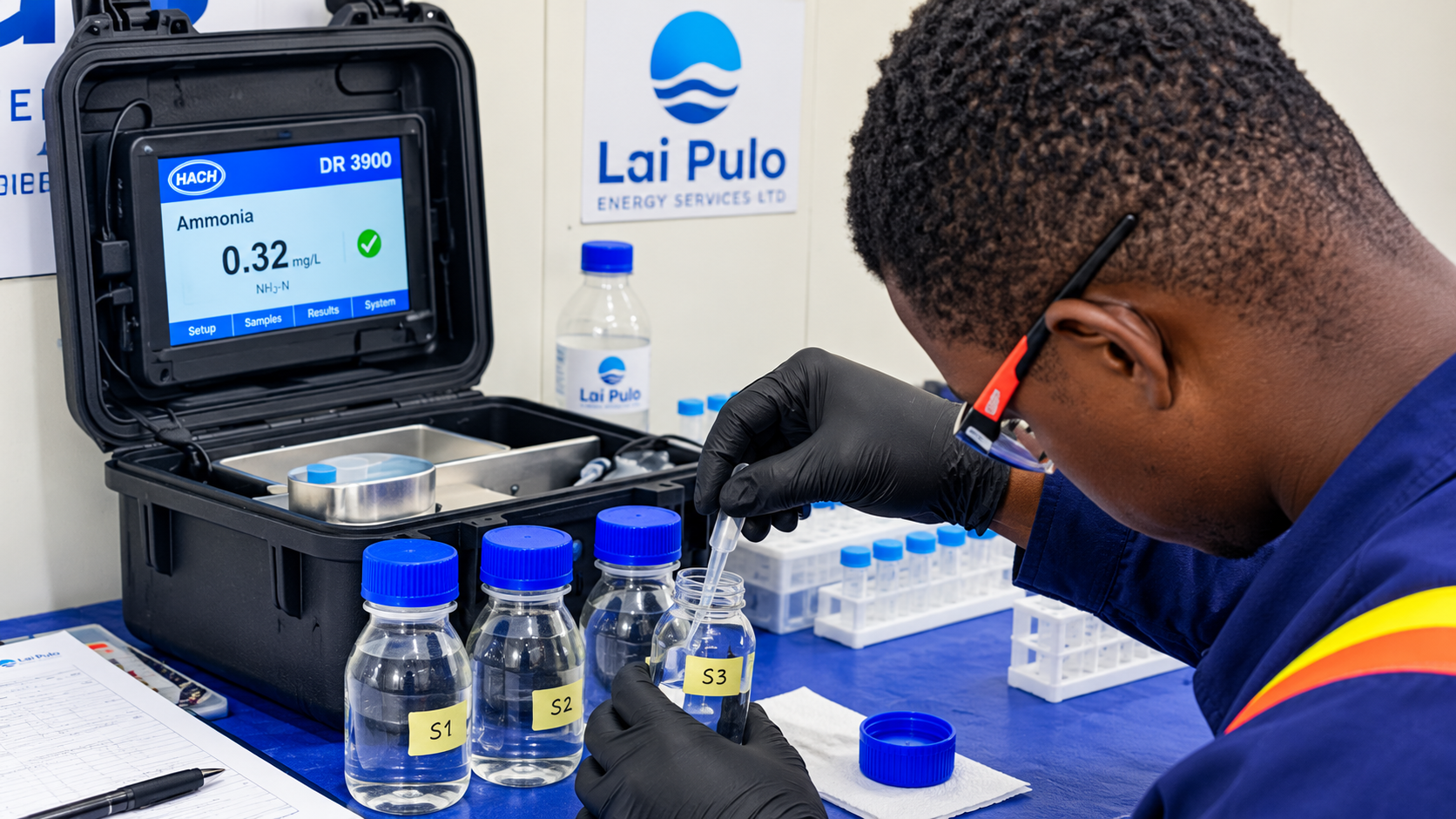
Operating observations, field measurements and sample results are documented throughout the treatment process.
View Case StudyControl and treated-water samples were documented during the pilot to show the physical difference before and after treatment.
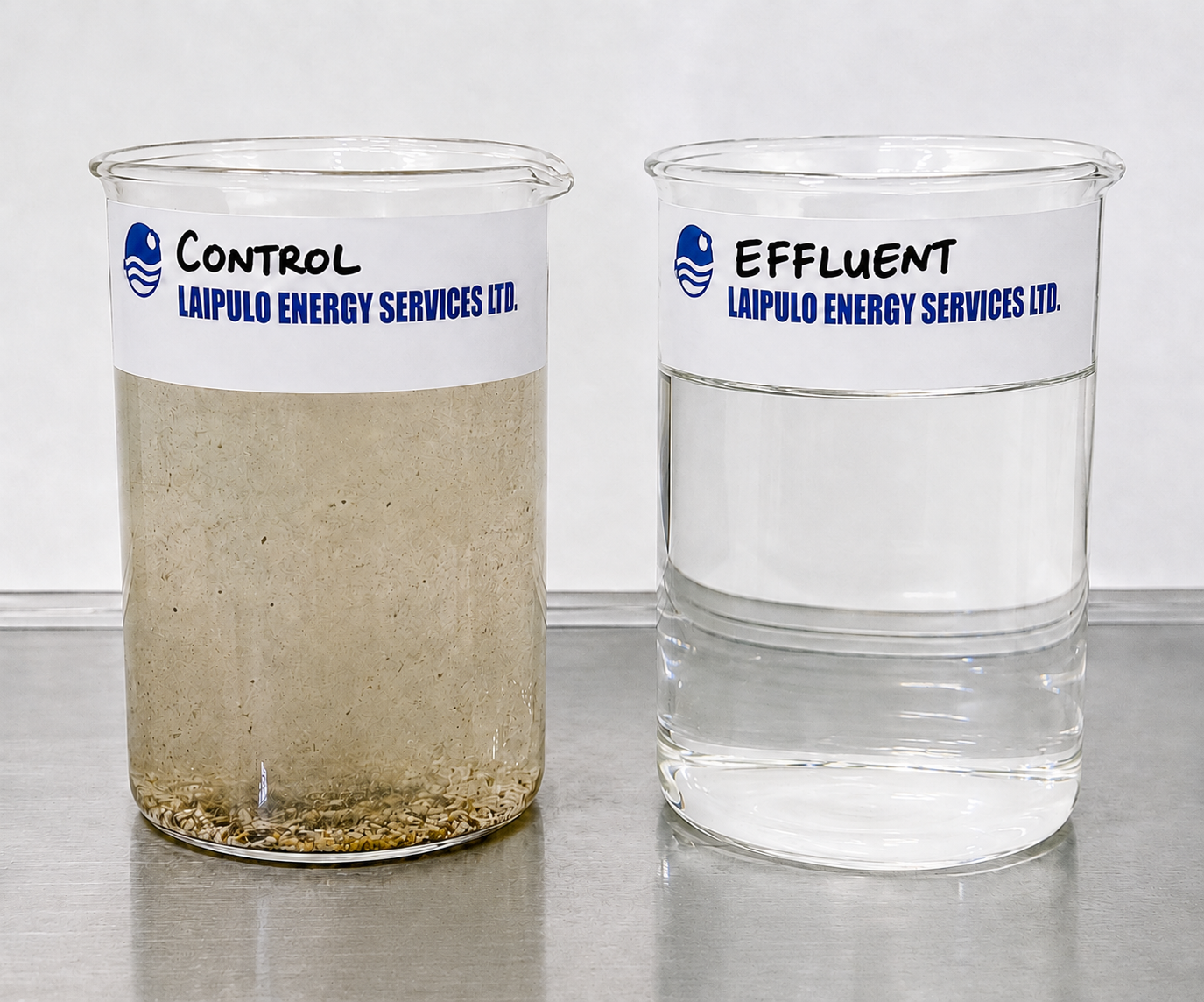
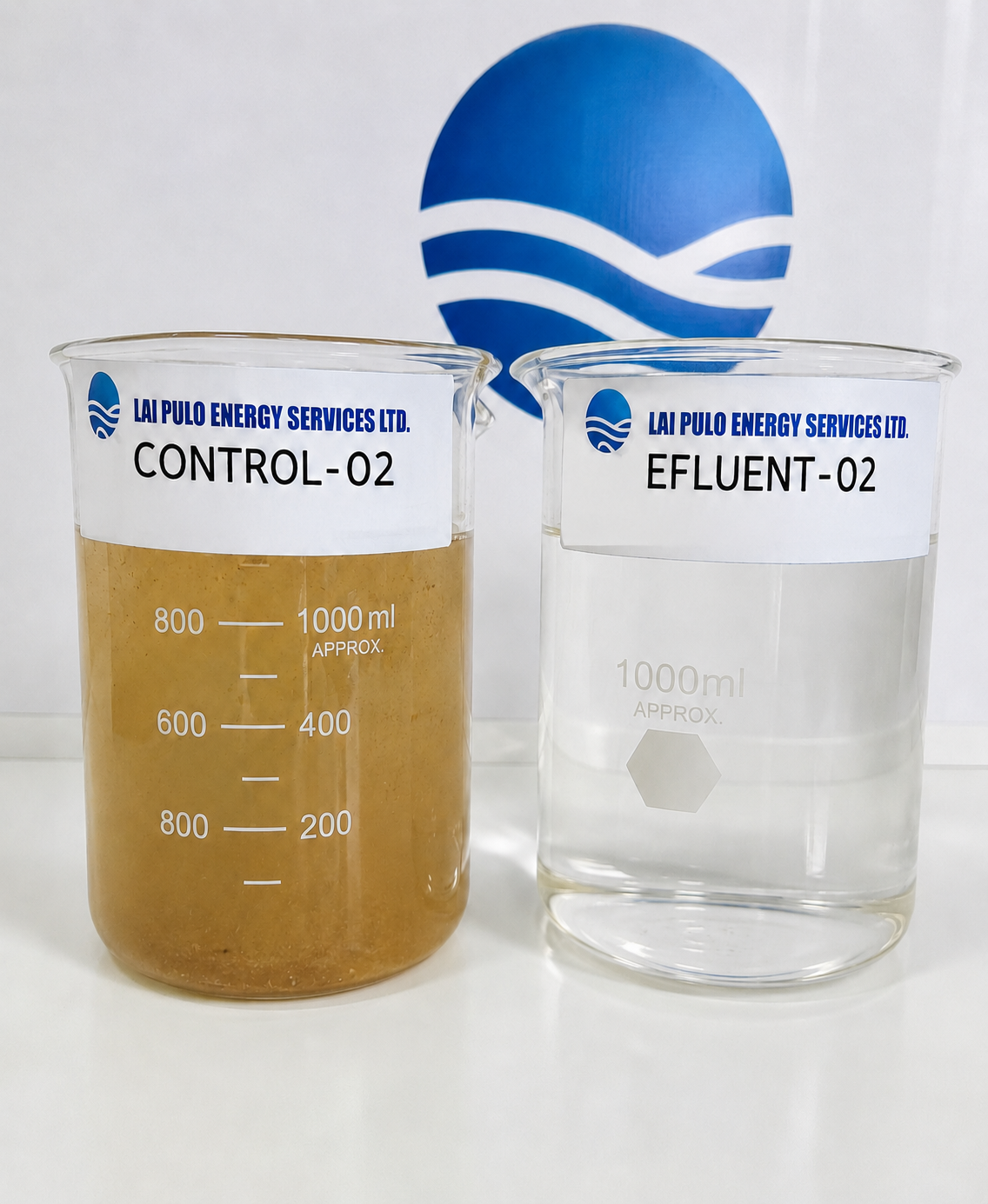
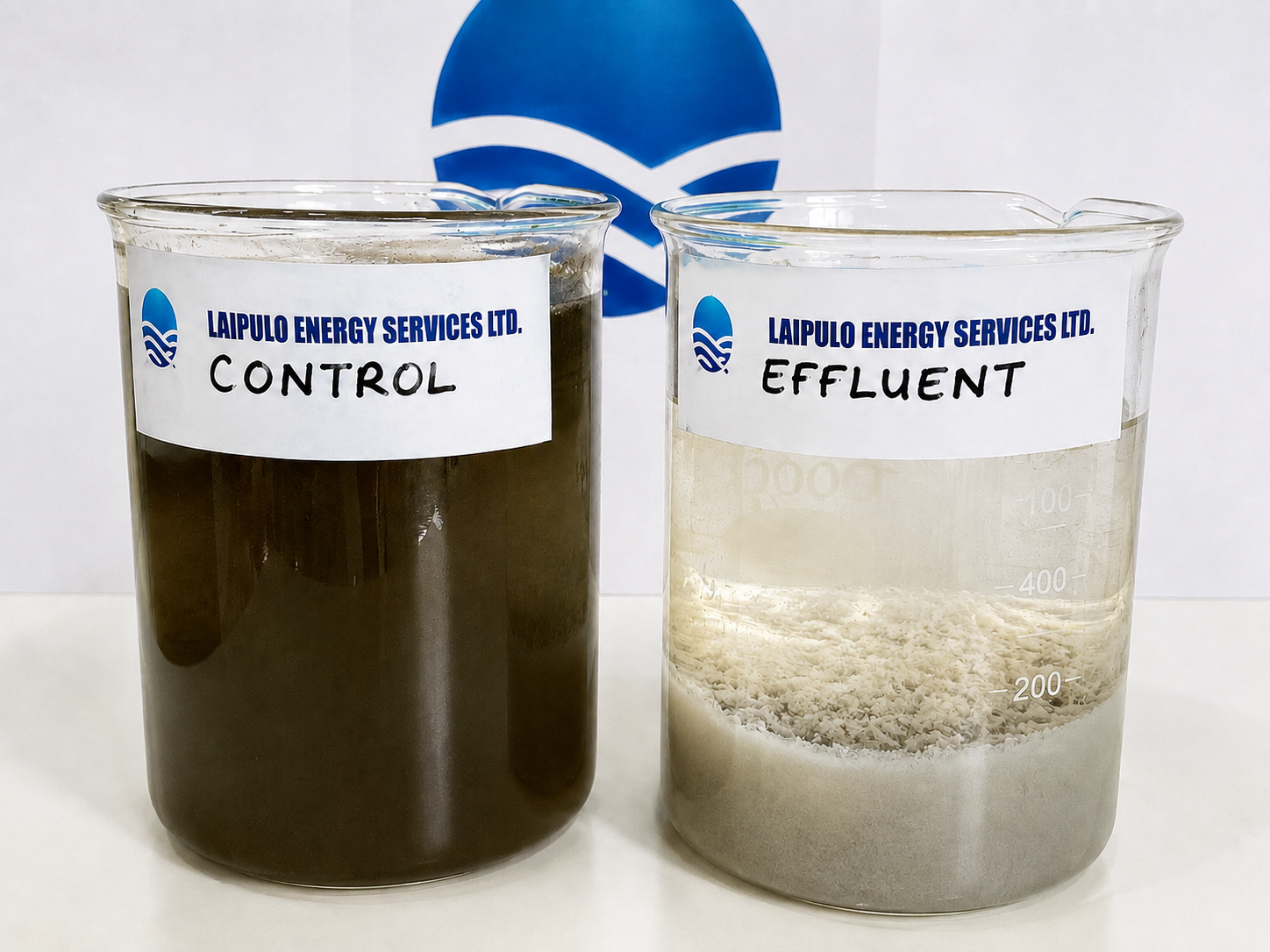
Visual comparison is presented as part of the project record and should be considered alongside measured treatment performance.
Pilot performance was evaluated through field measurements, treated-water sampling and independent laboratory analysis.
Reduction in oil-in-water across the pilot treatment process.
Removal of suspended contamination and organic loading.
Reduction in measured heavy-metal concentrations.
Reverse Osmosis polishing reduced dissolved solids.
Treated-water results met or exceeded the applicable EGASPIN discharge requirements during the pilot.
Samples were independently analysed to verify treatment performance across physical, chemical and microbiological parameters.
The system operated across fluctuations in oil-in-water, salinity and contaminant loading.
The pilot evidence combines operating records, field measurements, sample comparisons and laboratory verification.
EC-AOP units are configured around fluid chemistry, treatment targets, flow rate and available site space.
No reagent dosing or chemical-sludge generation.
Compact skid-mounted systems for constrained sites.
Simple operation with minimal manpower requirements.
Ozone is produced within the system for immediate use.
Matched to flow rate, fluid chemistry and project targets.
Minimal moving parts, service demand and energy use.
The pilot demonstrated treatment performance under real oil-field operating conditions and established a regulatory pathway for broader project deployment.