Primary Treatment
EC-AOP
Electro-catalytic treatment supports contaminant capture and oxidation before separation.
EC-AOP technology breaks down hydrocarbons, captures suspended contaminants and prepares produced water for separation, polishing and the required final-water quality.
The Lai Pulo Integrated Treatment System combines electro-catalytic oxidation, sludge separation and membrane polishing in a single modular, skid-mounted treatment train that scales to virtually any flow rate.
Electro-catalytic treatment supports contaminant capture and oxidation before separation.
Material formed during treatment is separated from the water for downstream handling.
Membrane treatment is selected where additional reduction of dissolved material is required.
Our treatment train cleans produced water in three stages, each with a clear job, so that every stage protects the one after it.
First, the EC-AOP reactor. Raw produced water flows between aluminium electrodes under a DC current. The aluminium dissolves into the water and forms a coagulant right there in the tank — so we add no chemicals to make it. At the same time, the system generates hydroxyl radicals, a powerful oxidant that breaks down oils and dissolved organics in the stream.
The Electro-Catalytic Advanced Oxidation Process reduces organic and chemical contaminants while preparing treated water for separation, polishing and the required final-water quality.
Powerful oxidisers break down hydrocarbons and residual organic compounds.
Suspended solids, metals and other contaminants are captured for downstream separation.
EC-AOP operates with separation and polishing stages to achieve the required water quality.
The EC-AOP reactor combines contaminant capture with advanced oxidation to treat suspended, dissolved and organic pollutants.
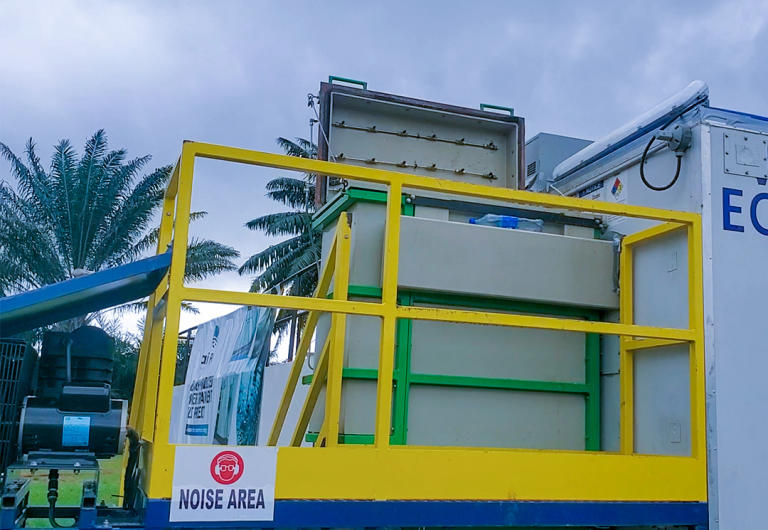
Sacrificial anodes generate in-situ coagulants that bind with silica, heavy metals and suspended solids, forming separable flocs.
Hydroxyl radicals and ozone are generated within the reactor to break down hydrocarbons, dissolved organic contaminants and pathogens.
Captured contaminants proceed to separation, while oxidised water advances to final treatment and polishing.
View Treatment ProcessPrimary treatment, solids separation and final polishing operate as one integrated treatment train.
Breaks down hydrocarbons and organics while capturing suspended solids and metals.
Aggregates and separates flocculated solids following EC-AOP treatment.
Removes dissolved salts and residual contaminants to meet final-water quality targets.
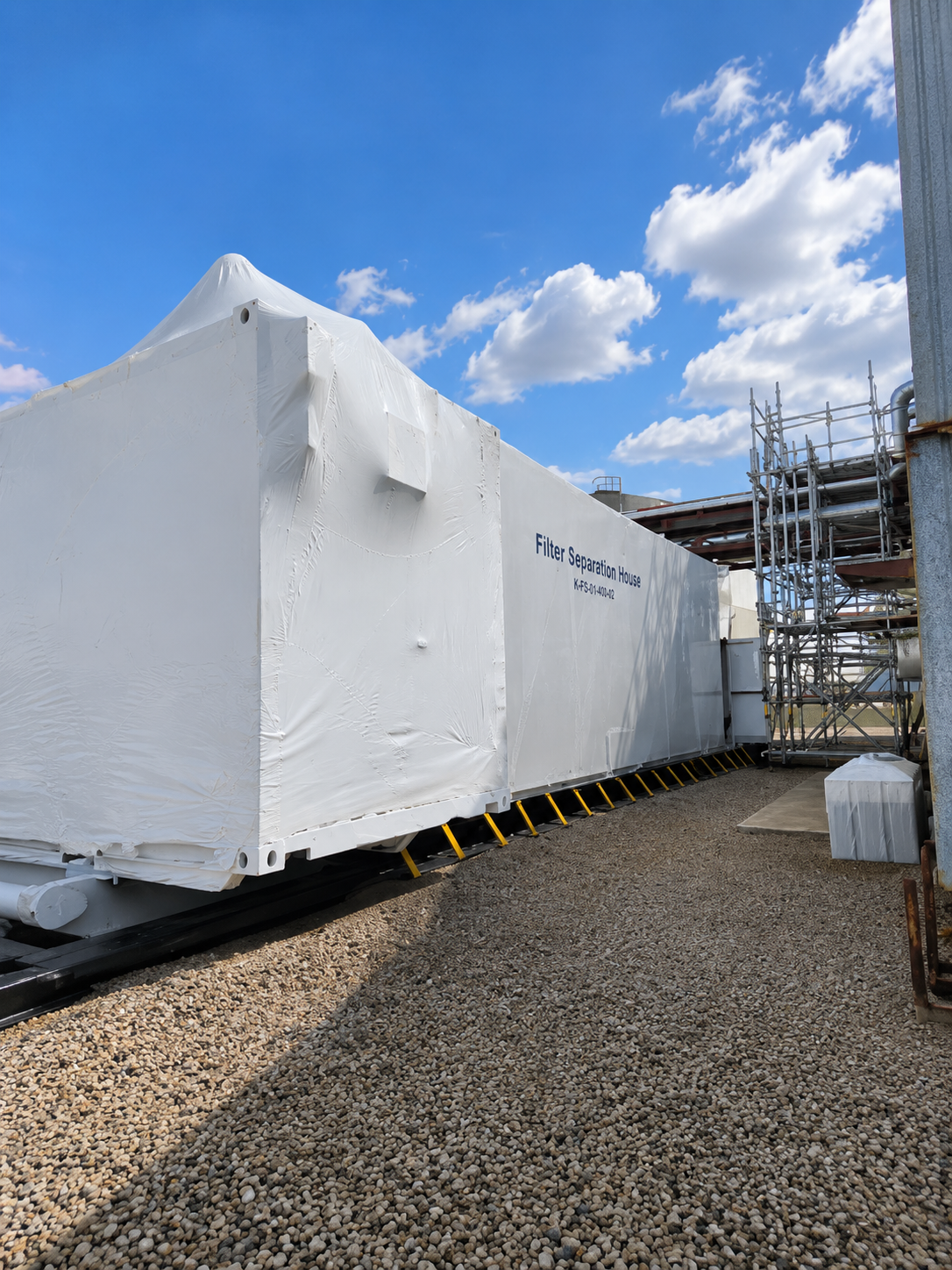
Lai Pulo EC-AOP systems are configured to match project flow rates, fluid chemistry and available site space.
No reagent dosing or chemical sludge.
Skid-mounted systems designed for constrained sites.
Minimal manpower and service requirements.
Designed for specific flow rates and fluid chemistry.
Equipment selection and arrangement are matched to flow rate, fluid chemistry, treatment targets and available site space.
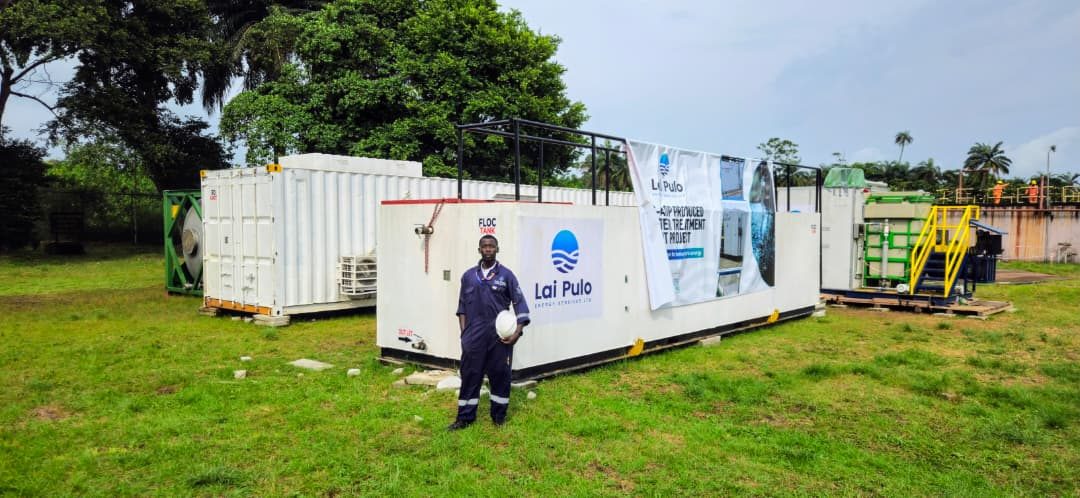
Primary electrochemical treatment for hydrocarbons, organics, metals and suspended contaminants.
Ozone is generated on-site and introduced directly into the advanced oxidation process.
Floc Tank, DAF or Lamella clarification separates solids formed during primary treatment.
Reverse Osmosis removes dissolved salts and residual contaminants where final polishing is required.
Each treatment stage performs a defined role within the complete produced water treatment train.
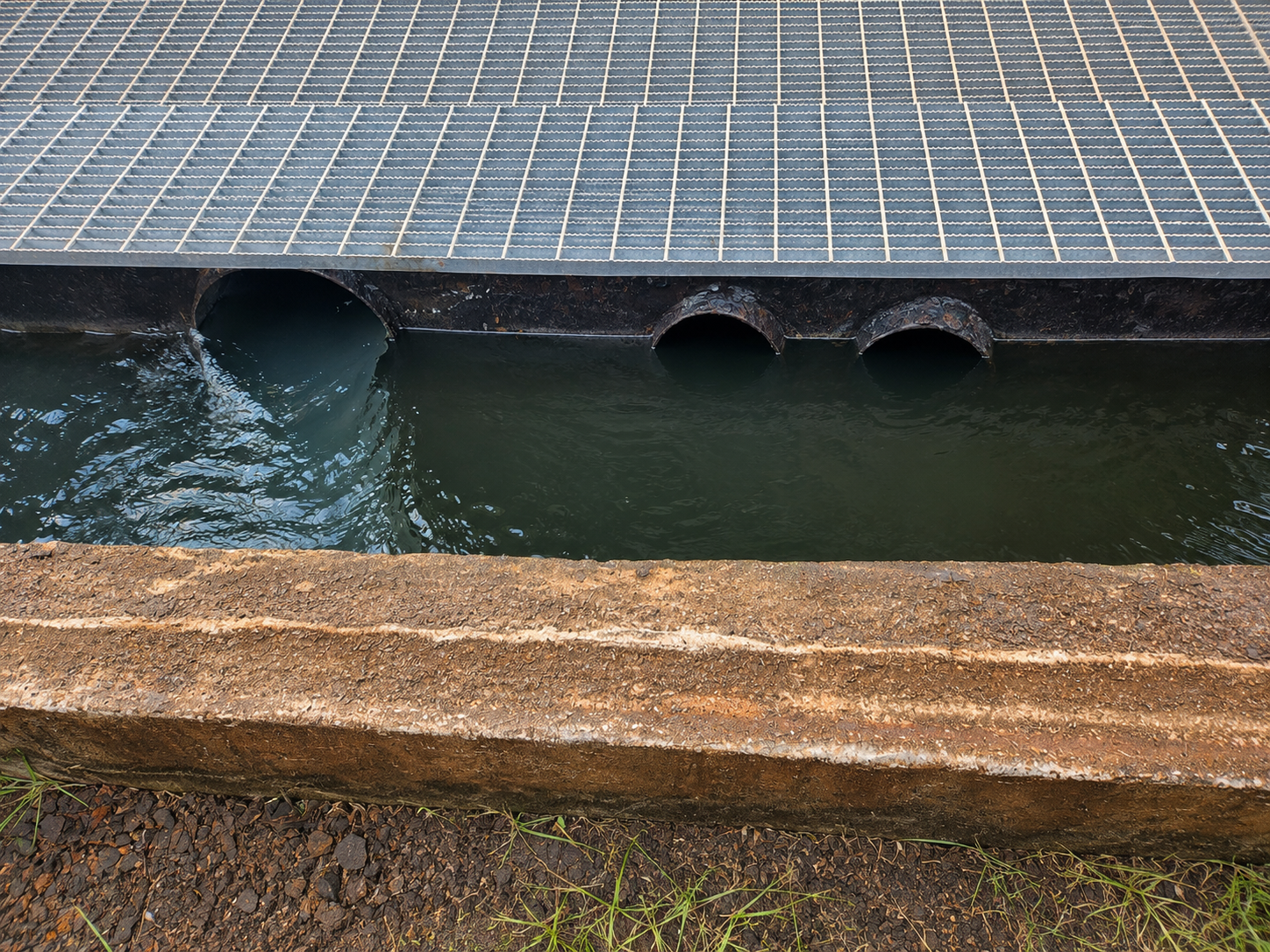
Untreated water enters the treatment system.
Hydrocarbons, organics and pathogens are broken down.
Flocculated solids and residual contaminants are removed.
Dissolved salts and remaining contaminants are reduced.
Final water quality is matched to the required project target.
The Nigeria pilot combined treatment operation, field monitoring, sample collection and independent laboratory analysis.
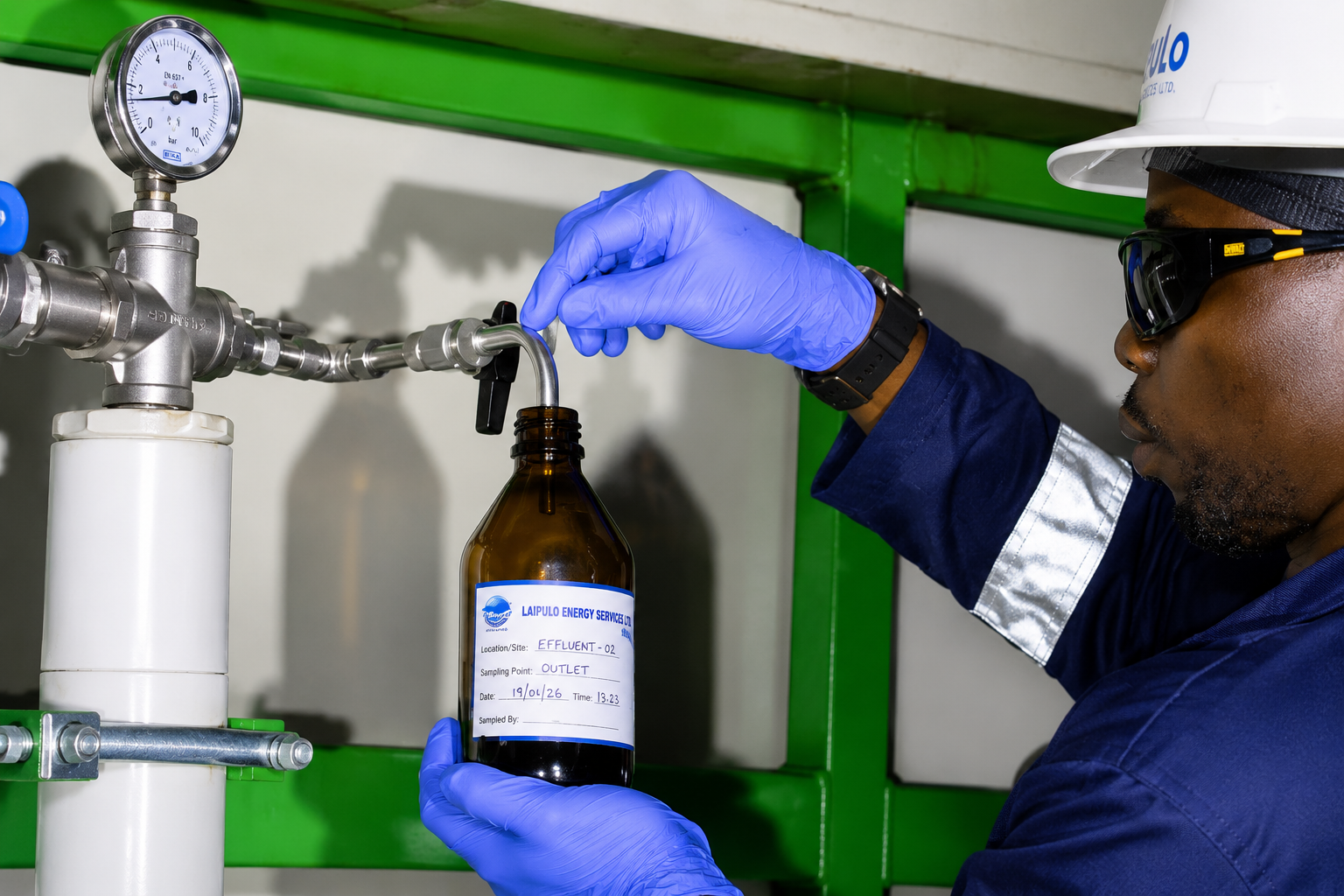
Follow the complete treatment process and review field validation through the case study.
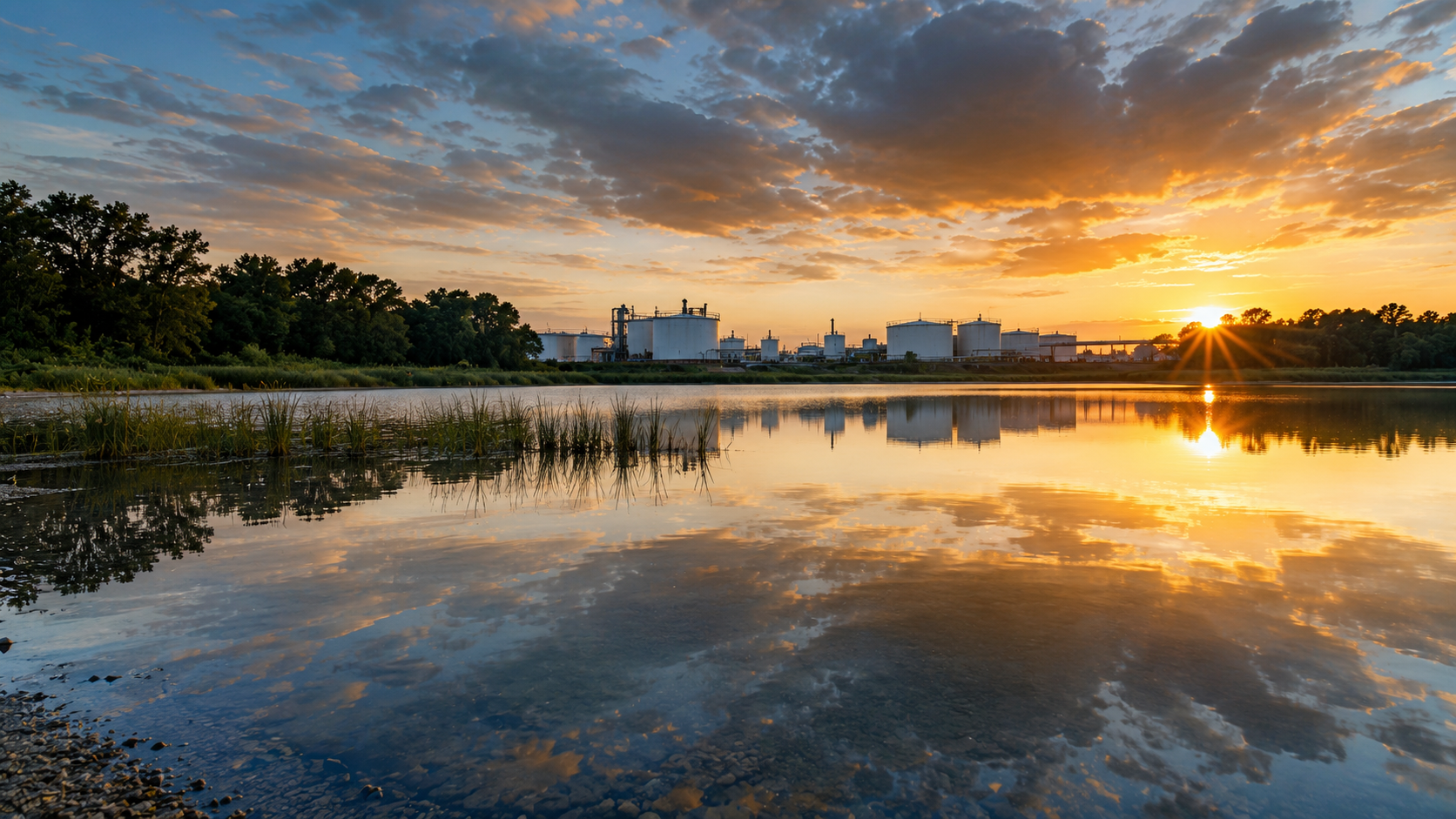
Review field implementation, treatment performance and verified results from the pilot project.
View Case Study
Follow the complete treatment train from produced water intake to verified final-water quality.
View Treatment Process