
Lower Chemical Dependency
Reduced reliance on continuous chemical dosing for primary treatment.
Engineering produced water treatment around cleaner processes, verified performance and more responsible resource management.
Lai Pulo approaches produced water treatment as an engineering and environmental responsibility. Treatment is configured around the characteristics of the water, the operating environment and the required final-water quality so that cleaner outcomes are supported by practical field performance.
The result is a treatment approach focused on contaminant reduction, controlled separation, verified water quality and responsible discharge.

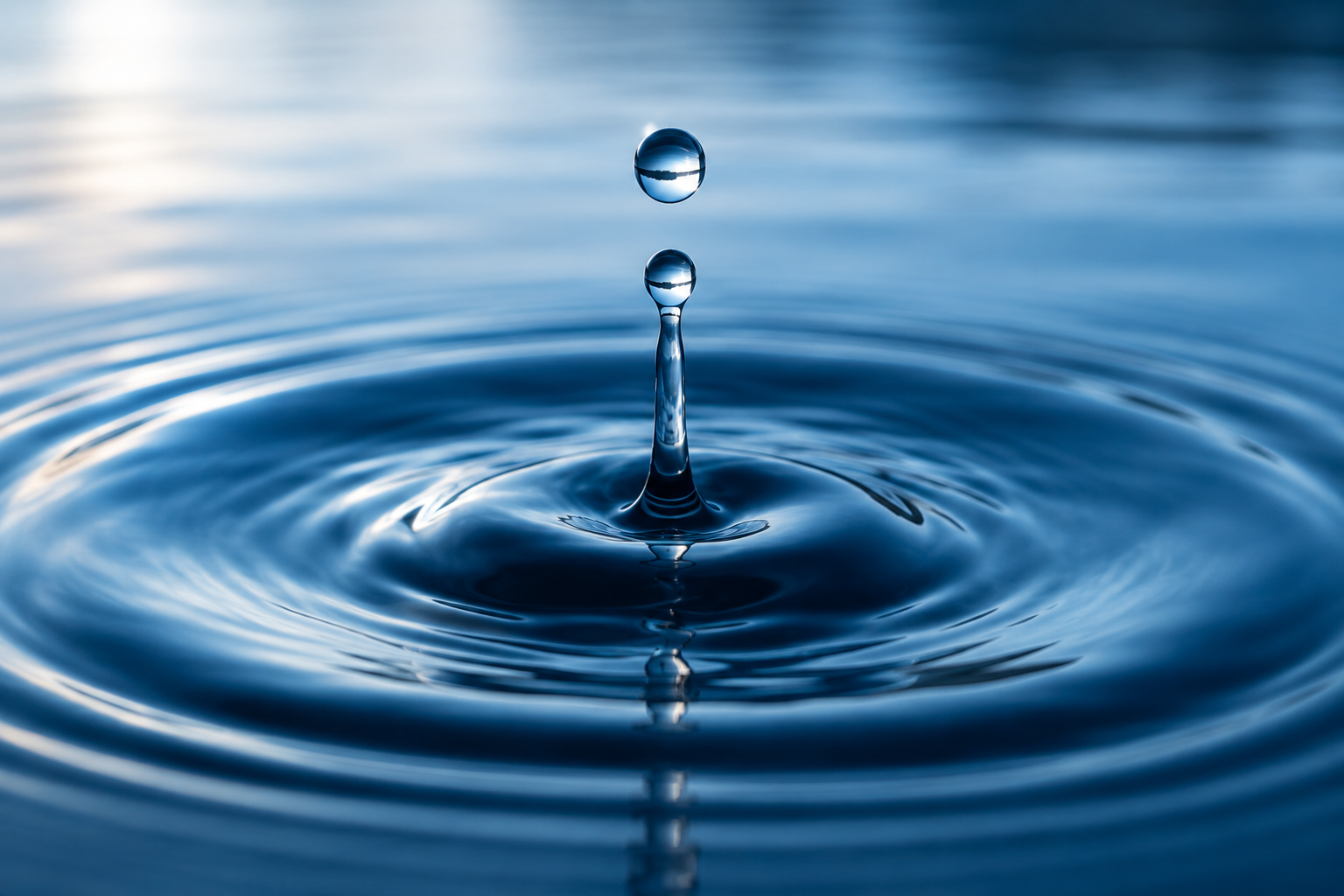
EC-AOP supports contaminant capture and oxidation within the treatment process, reducing reliance on continuous chemical dosing as the primary treatment mechanism.
Reduced reliance on continuous chemical dosing for primary treatment.
Captured contaminants are separated for more controlled downstream handling.
Modular treatment can be configured around actual site and operating conditions.
Produced water treatment is ultimately measured by the quality of the water leaving the process. The treatment pathway is configured to reduce hydrocarbons, suspended material and other contaminants before final-water quality is verified against the required project outcome.
Target dissolved and suspended contaminants through staged treatment.
Remove material formed during treatment before final verification.
Confirm treatment performance through monitoring, sampling and analysis.
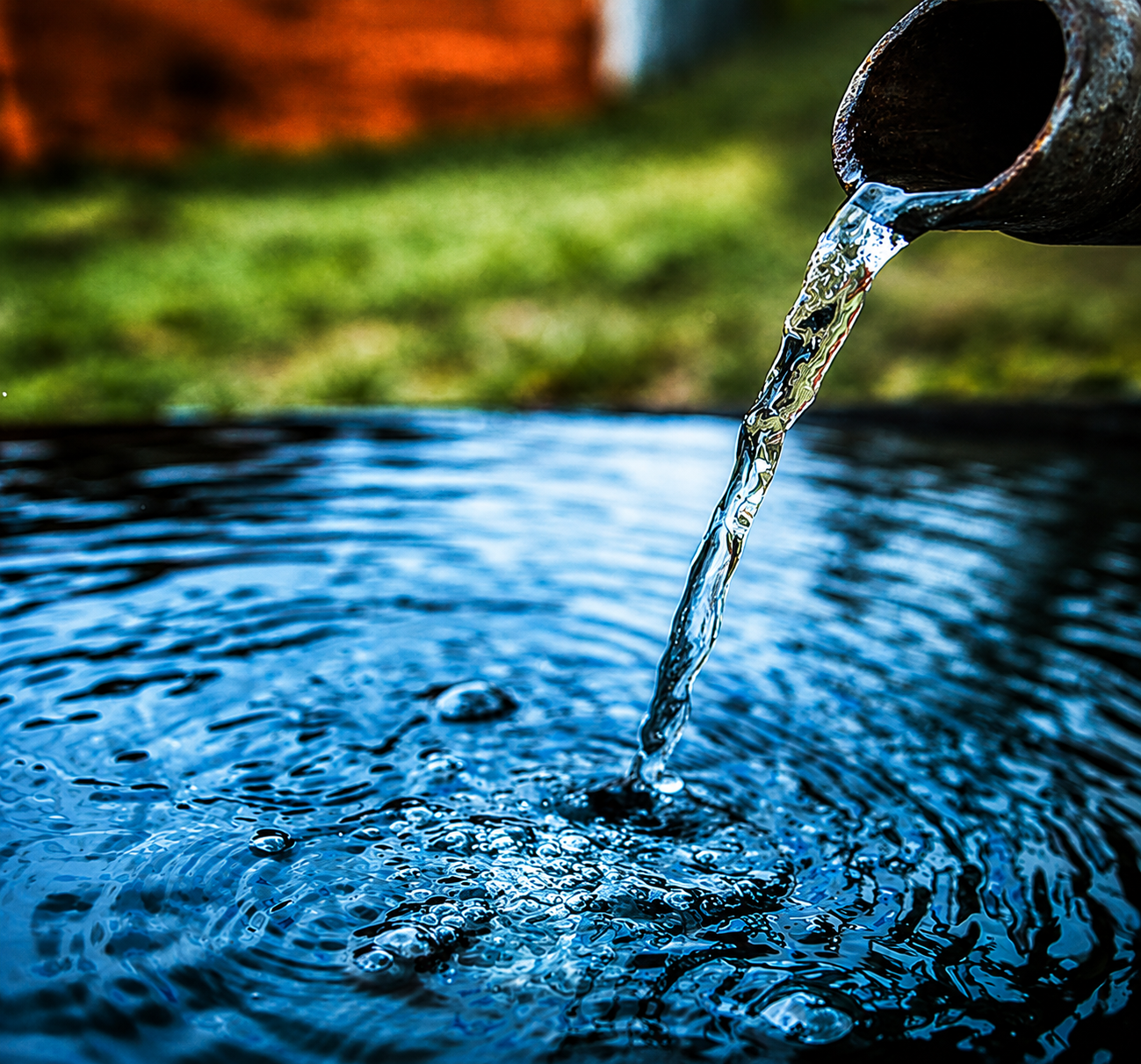
Treatment configuration, deployment and verification are considered together so environmental performance is supported by an operating model that can be applied in the field.
Treatment stages can be configured around project capacity and site constraints.
Process selection reflects incoming water characteristics and required outcomes.
Compact treatment arrangements can reduce unnecessary handling and movement requirements.
Operational decisions are supported by treatment data, sampling and verification.
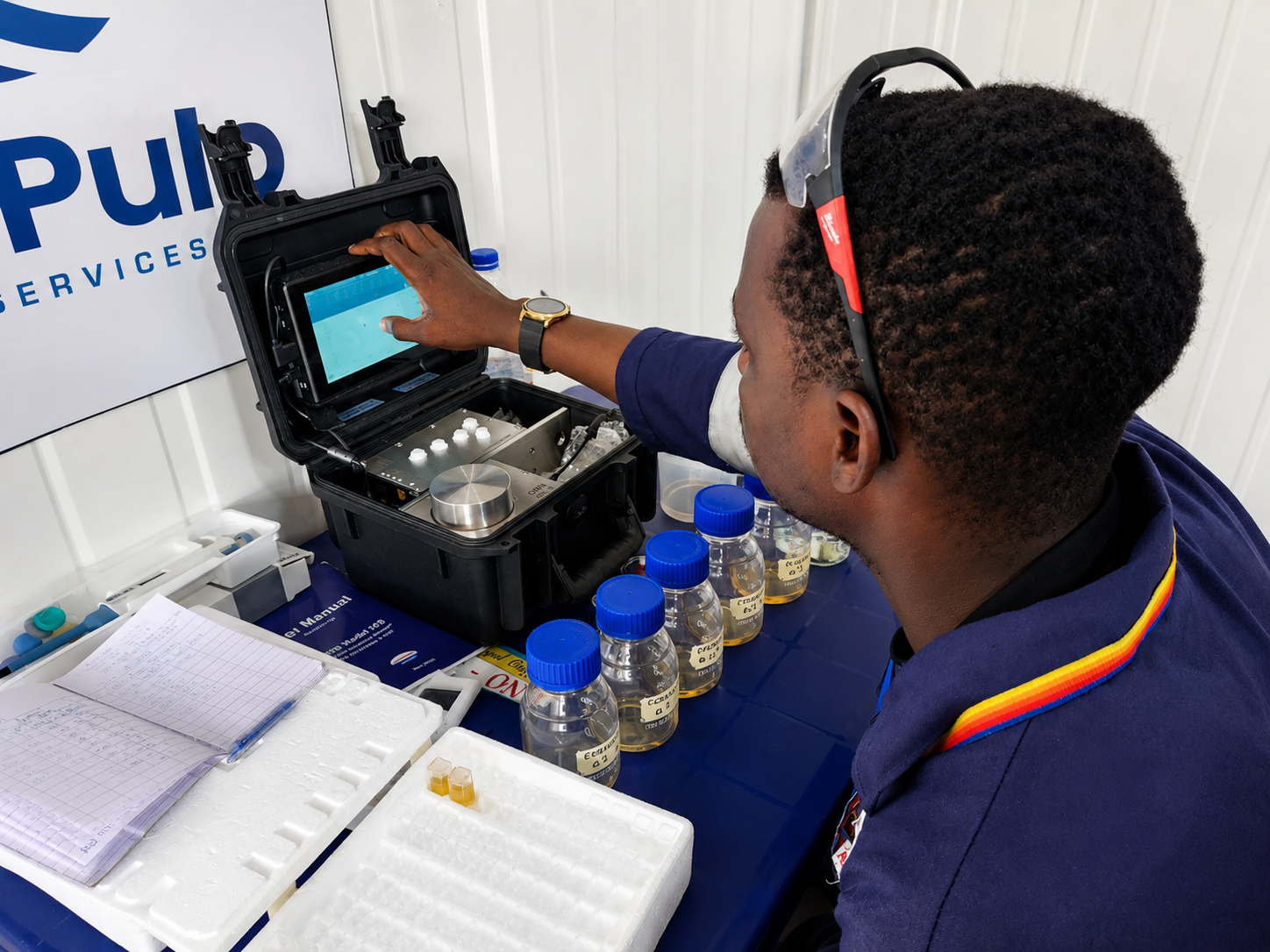
Monitoring, sampling and analysis provide the evidence required to assess treatment performance and confirm that final-water quality is aligned with the intended discharge requirement.
Track operating conditions and treatment response during operation.
Collect representative samples at defined stages of the treatment pathway.
Use field measurements and analysis to confirm final-water quality.
Apply treatment technology that supports contaminant capture and oxidation within the process.
Reduce reliance on continuous chemical dosing as the principal treatment mechanism.
Prepare treated water toward the required final-water quality for the approved discharge pathway.
Support environmental assurance through monitoring, sampling and analytical verification.